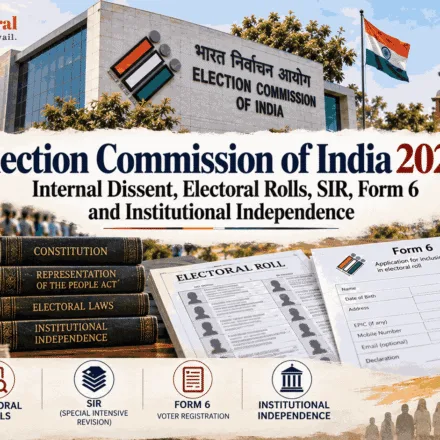
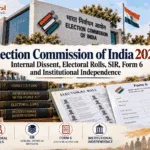














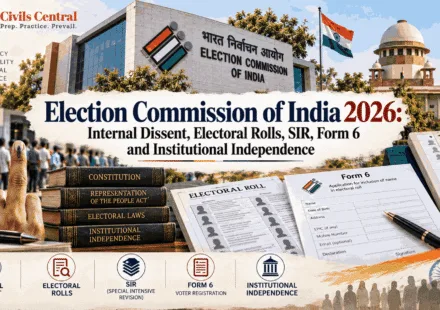
Election Commission of India 2026: Internal Dissent, Electoral Rolls, SIR, Form 6 and Institutional Independence
Understand the Election Commission of India, Article 324, electoral rolls, SIR, Form 6, EROs, digital voter databases, EC appointment and institutional independence for UPSC CSE and JKAS 2026.
Read More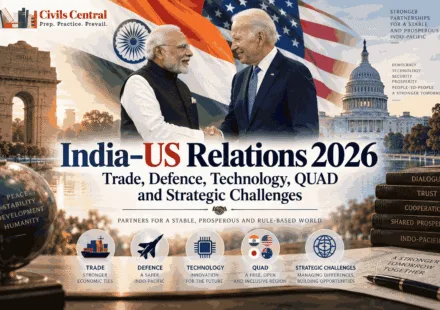
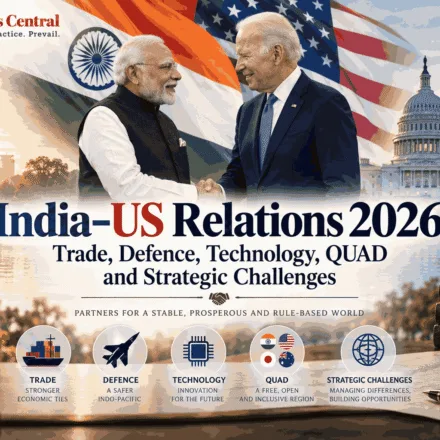
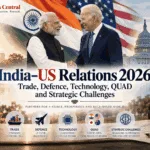
India–US Relations 2026: Trade, Defence, Technology, QUAD and Strategic Challenges
India–US relations 2026 explained for UPSC and JKAS: trade negotiations, defence cooperation, INDUS-X, iCET, critical minerals, QUAD, Indo-Pacific and strategic autonomy.
Read More
Merchant Discount Rate (MDR): New UPI Framework 2026, How It Works, Who Pays and Why It Matters
Merchant Discount Rate (MDR) explained for UPSC and JKAS: understand the 2026 UPI MDR framework, 0.4% charge, ₹300 cap, P2P/P2M, small merchants, RBI, NPCI and digital-payment sustainability.
Read More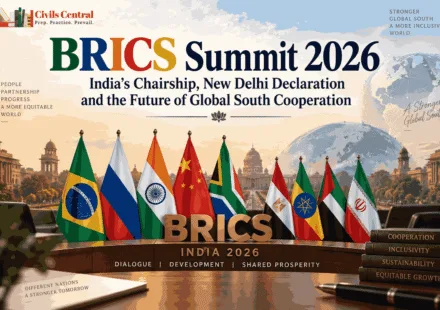
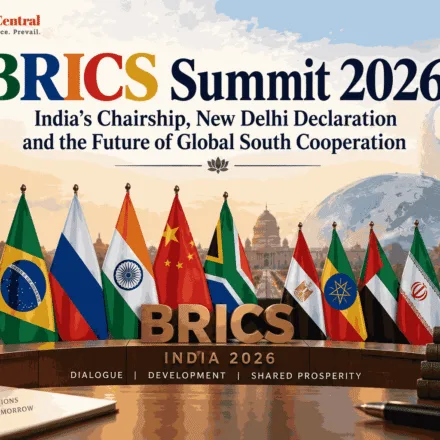
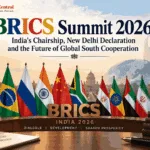
BRICS Summit 2026: India’s Chairship, New Delhi Declaration and the Future of Global South Cooperation
BRICS Summit 2026 explained for UPSC and JKAS: New Delhi Declaration, BRICS members and partners, NDB, local currencies, Global South, global governance, terrorism, AI and India's strategic significance.
Read More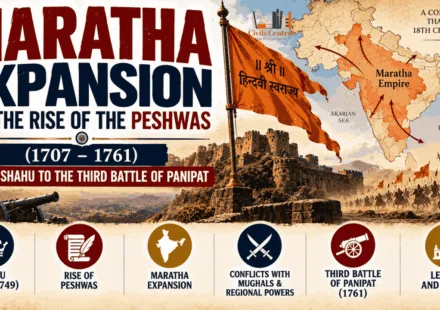
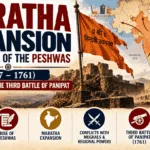
Maratha Expansion and the Rise of the Peshwas (1707–1761): From Shahu to the Third Battle of Panipat
Learn about Maratha expansion from 1707 to 1761, the rise of the Peshwas, Baji Rao I, chauth and sardeshmukhi, Maratha expansion into North India and the Third Battle of Panipat.
Read More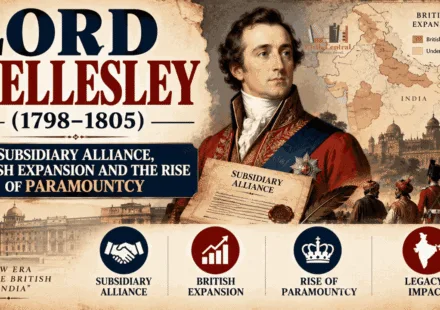
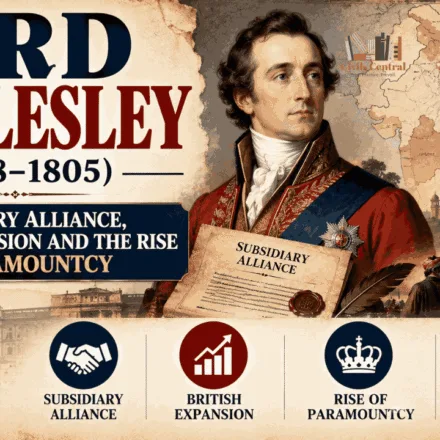
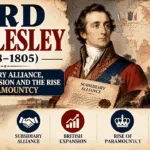
Lord Wellesley (1798–1805): Subsidiary Alliance, British Expansion and the Rise of Paramountcy
Study Lord Wellesley’s policy of Subsidiary Alliance, the Nizam of Hyderabad, Fourth Anglo-Mysore War, Treaty of Bassein, Second Anglo-Maratha War and the rise of British paramountcy.
Read More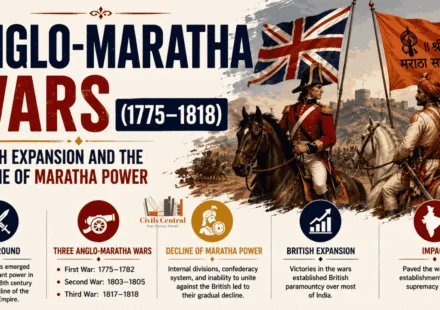
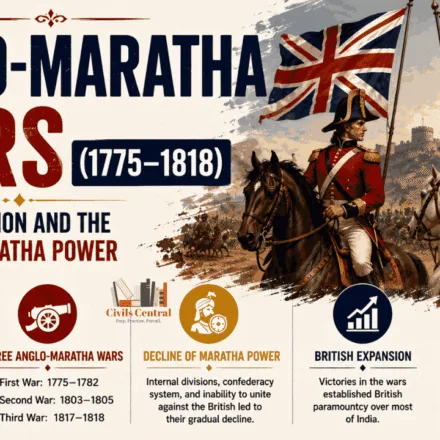
Anglo-Maratha Wars (1775–1818): British Expansion and the Decline of Maratha Power
Study the Anglo-Maratha Wars (1775–1818), including the First, Second and Third Wars, Treaty of Surat, Purandar, Wadgaon, Salbai and Bassein, major battles, Maratha weaknesses and the rise of British paramountcy.
Read More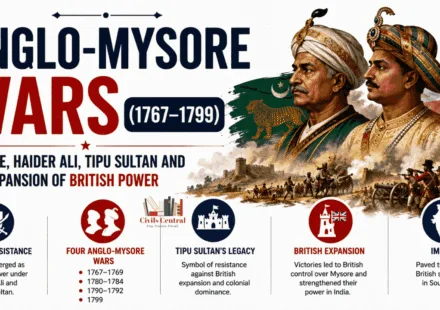
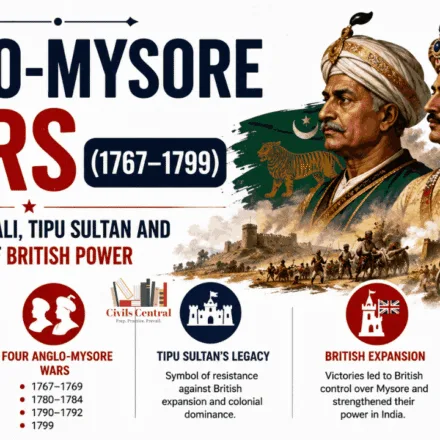
Anglo-Mysore Wars (1767–1799): Mysore, Haider Ali, Tipu Sultan and the Expansion of British Power
Learn the Anglo-Mysore Wars (1767–1799) for UPSC and JKAS: Haider Ali, Tipu Sultan, all four wars, major battles, treaties, Mysorean rockets and British expansion.
Read More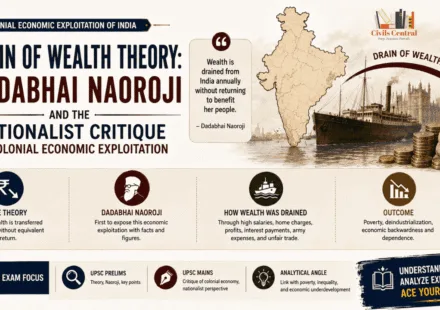
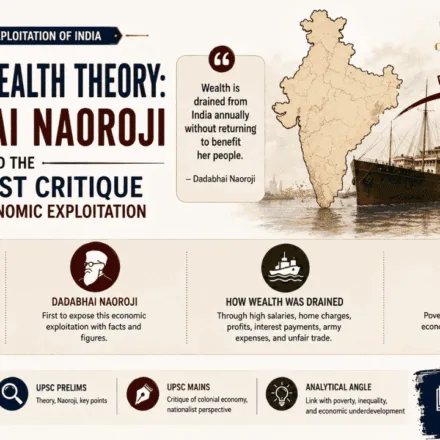
Drain of Wealth Theory: Dadabhai Naoroji and the Nationalist Critique of Colonial Economic Exploitation
The Drain of Wealth Theory developed by Dadabhai Naoroji provided Indian nationalism with a systematic economic critique of British rule. It argued that Indian resources were transferred to Britain through Home Charges, salaries, pensions, remittances,…
Read More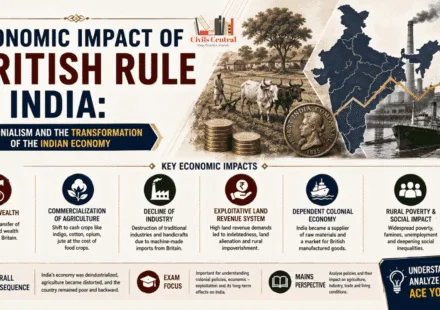
Economic Impact of British Rule in India: Colonialism and the Transformation of the Indian Economy
British rule fundamentally transformed India's economy by reorganising agriculture, weakening traditional industries, expanding raw-material exports, increasing imports of British manufactured goods and developing infrastructure for imperial trade. The…
Read More