
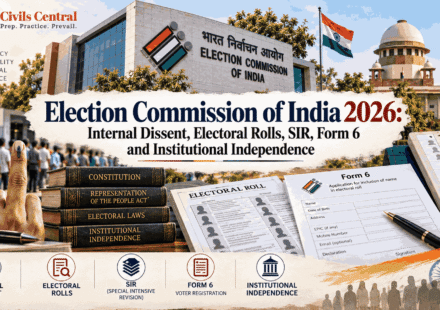
Election Commission of India 2026: Internal Dissent, Electoral Rolls, SIR, Form 6 and Institutional Independence

Understand the Election Commission of India, Article 324, electoral rolls, SIR, Form 6, EROs, digital voter databases, EC appointment and institutional independence for UPSC CSE and JKAS 2026.
Read More
Digital Push for Criminal Justice System
Learn about India's digital push for the criminal justice system, ICJS, CCTNS, e-Courts, digital forensics, key reforms, challenges, and UPSC current affairs relevance.
Read More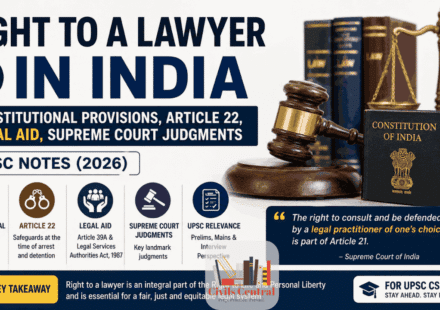
Right to a Lawyer in India: Constitutional Provisions, Article 22, Legal Aid, Supreme Court Judgments
Learn about the Right to a Lawyer in India under Article 22, constitutional provisions, free legal aid, landmark Supreme Court judgments, and UPSC relevance.
Read More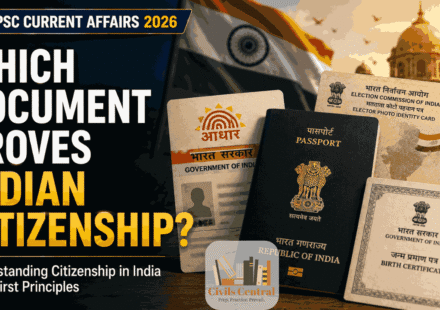
Which Document Is Proof of Indian Citizenship? Constitutional & Legal Position Explained | UPSC
Which document proves Indian citizenship? Understand the constitutional and legal framework of citizenship in India, documentary evidence, common myths, and key UPSC Polity concepts.
Read More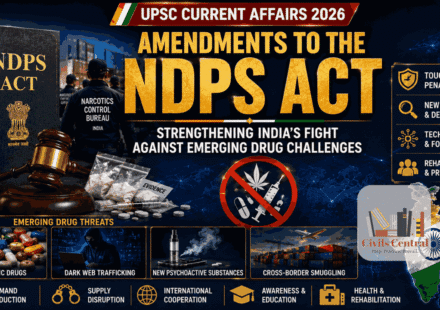
Amendments to the NDPS Act: Strengthening India’s Fight Against Emerging Drug Challenges
Learn about the amendments to the NDPS Act, their key provisions, objectives, significance, challenges, and impact on India's fight against drug trafficking. Comprehensive notes for UPSC, JKAS, SSC, and other competitive exams.
Read More
Article 143: A Powerful Legal Tool and Why It’s in the News – Explained for UPSC/JKAS Aspirants
1. Introduction to Article 143 The Indian Constitution empowers the President of India with the unique right to seek the Supreme Court’s opinion on important questions of law or fact that impact public interest. This power is granted under Article 143,…
Read More
Resignation of the Vice-President of India: Constitutional Process & Key Insights for UPSC
🧭 Introduction – Vice‑President The Vice-President of India is the second-highest constitutional office after the President. This office is a part of the Indian parliamentary framework, primarily serving as the Ex-officio Chairman of the Rajya…
Read More
V.V. Giri’s 1969 Resignation: A Landmark in Constitutional Morality and Political Transformation
🔰 Introduction – V.V. Giri’s 1969 resignation The resignation of V.V. Giri as Vice-President of India in 1969 is more than a procedural event — it is a remarkable instance of constitutional propriety, political foresight, and ethical conduct. At a…
Read More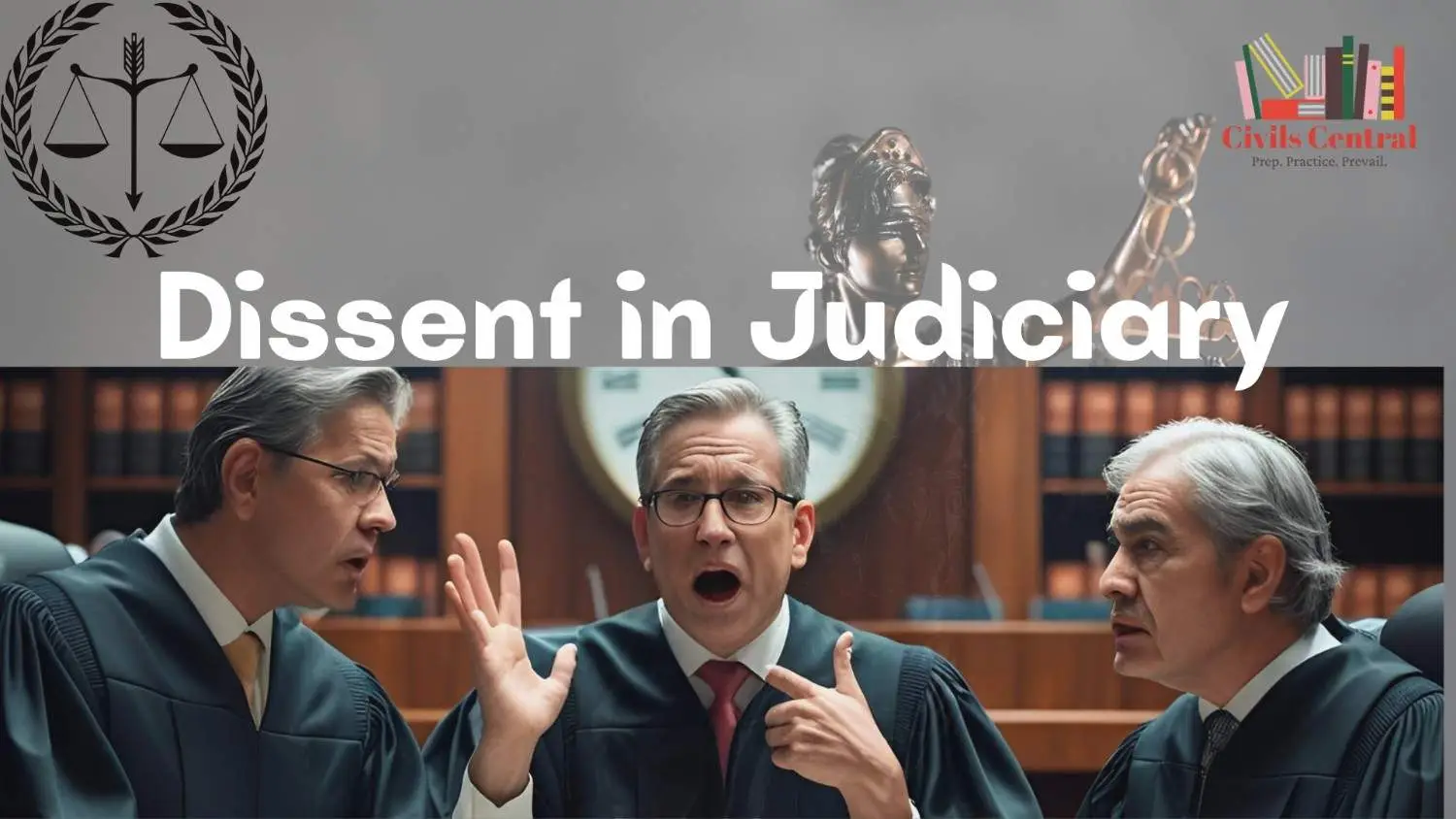
Dissent in the Indian Judiciary: Meaning, Role & Landmark Cases
🔍 What is Dissent? ⚖️ Nature of Dissent in Judiciary 📚 Constitutional & Legal Basis 📖 Significance of Dissent in Indian Judiciary 1. 🧭 Preservation of Democratic Values 2. 🏛 Judicial Independence 3. 📈 Catalyst for Future Change 4. 🧑⚖️ Protection of…
Read More