
Post-Gupta India (600–1200 CE): Rise of Regional Powers, Feudalism, and Cultural Flourishing

📘 Introduction: From Imperial Unity to Political Fragmentation 👑 Native Regional Powers (600–1200 CE) ➤ Harshavardhana (Pushyabhuti Dynasty, 606–647 CE) ➤ Chalukyas of Badami (543–753 CE) ➤ Pallavas of Kanchi (275–897 CE) ➤ Rashtrakutas of Manyakheta…
Read More
The Gupta Empire: The Classical Age of Indian Culture
📘 Introduction: Why the Gupta Period Matters 👑 Major Rulers of the Gupta Dynasty ➤ Chandragupta I (c. 320–335 CE) ➤ Samudragupta (c. 335–375 CE) ➤ Chandragupta II (Vikramaditya) (c. 375–415 CE) ➤ Kumaragupta I (c. 415–455 CE) ➤ Skandagupta (c. 455–467…
Read More
Post Mauryan Art and Culture: Gandhara, Mathura & Coinage – UPSC Notes
Bridging the Fall of Mauryas to the Rise of the Guptas 🬝 Introduction: The Post-Mauryan Transition The decline of the Mauryan Empire around 185 BCE marked a significant political vacuum in the Indian subcontinent. This period witnessed the rise of…
Read More
The Kalinga War and Ashoka’s Rock Edicts: A Transformation from Conquest to Conscience
📜 Ancient Indian History Series | UPSC & JKAS Focused Notes 🧱 Introduction: A War that Changed Indian History The Kalinga War (261 BCE) marks a turning point in Indian history, not only due to its scale and brutality but because of the profound…
Read More
Mauryan Empire: India’s First Imperial Power and the Legacy of Ashoka
📘 Ancient Indian History Series | For UPSC & JKAS Aspirants 🧭 Introduction: Why the Mauryan Empire Matters The Mauryan Empire (322–185 BCE) was the first historic empire to unify large swathes of the Indian subcontinent — from Afghanistan in the…
Read More
Junagadh Rock Inscription: A Testament to Ancient Indian Governance and Infrastructure
🏛️ Enriched Notes for UPSC & JKAS Aspirants 📍 Geographical Context 📜 Tripartite Inscriptions on the Rock 🧱 1. Ashoka’s Major Rock Edicts (c. 250 BCE) 🔹 UPSC Insight:The Junagadh edict proves Ashoka’s westernmost reach and is evidence of…
Read More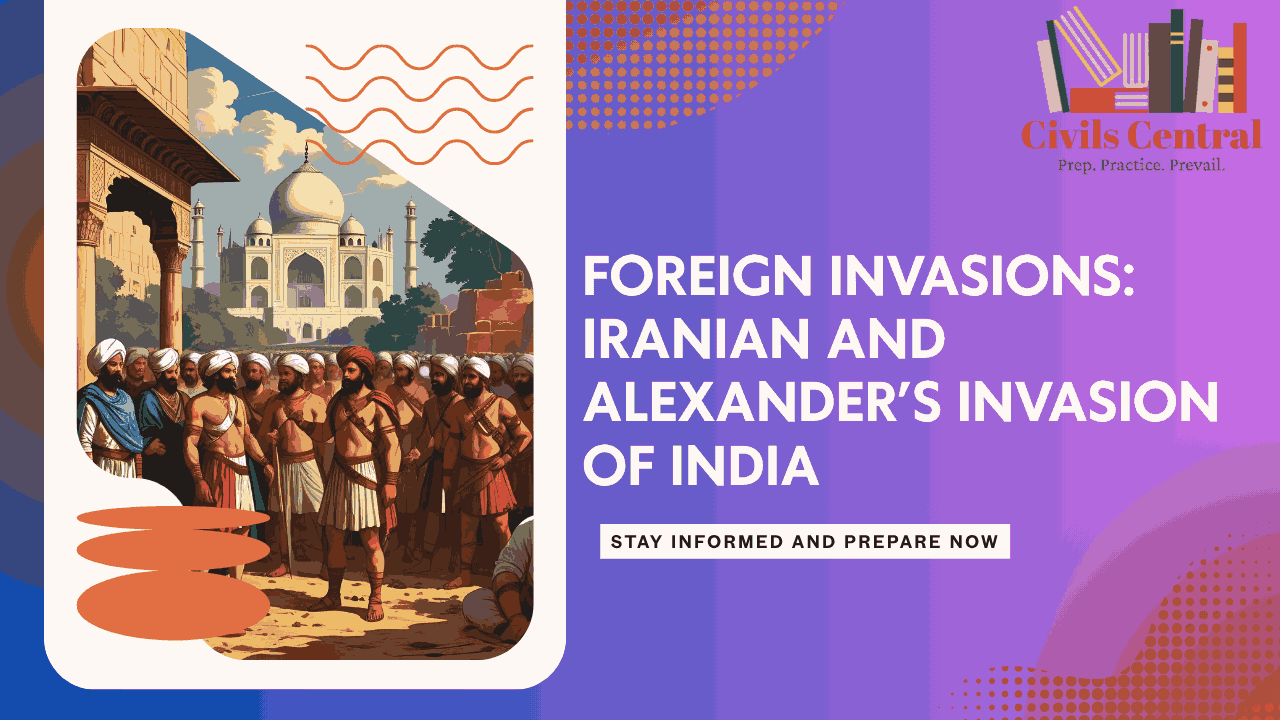
Foreign Invasions: Iranian and Alexander’s Invasion of India
📘 Ancient Indian History Series | For UPSC & JKAS Aspirants 🧭 Introduction: Why Study Foreign Invasions? Foreign invasions before the Mauryan Empire (particularly the Iranian invasions and Alexander’s campaign) had a lasting impact on India’s…
Read More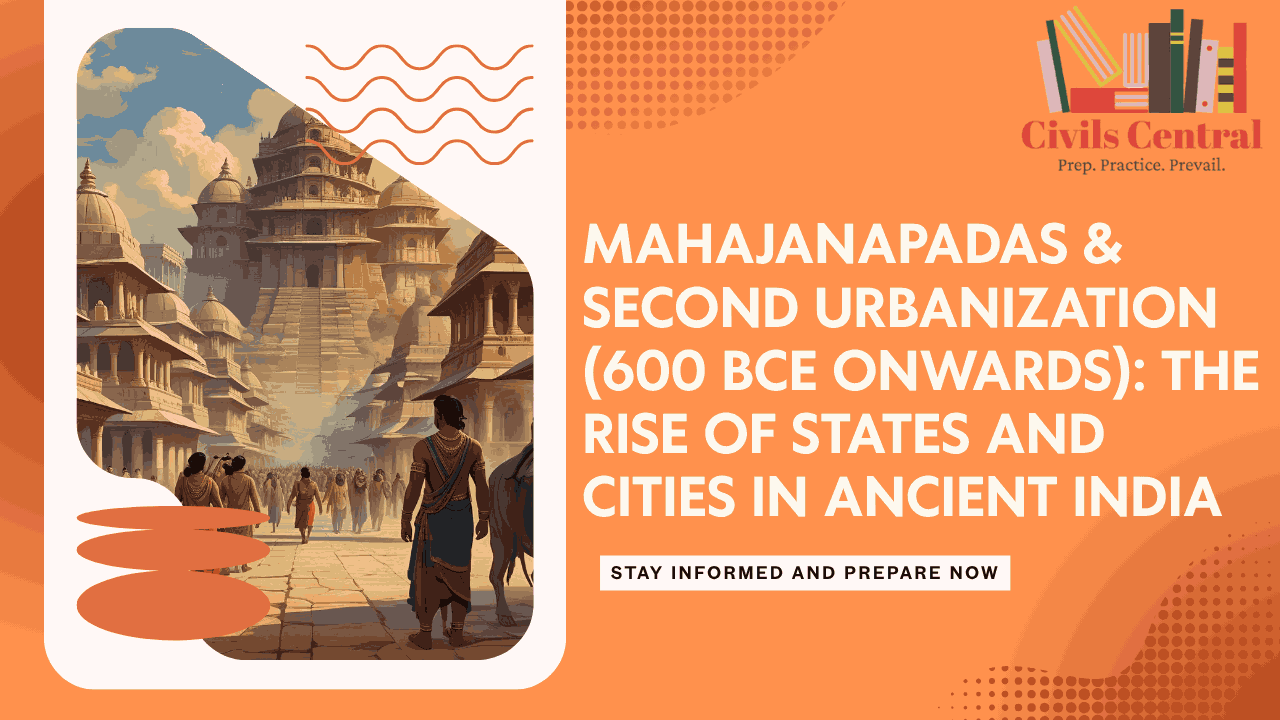
Mahajanapadas & Second Urbanization (600 BCE onwards): The Rise of States and Cities in Ancient India
🪔 Introduction: From Cattle Raids to Kingdoms By 600 BCE, India stood on the cusp of a new transformation. The simple tribal society of the Vedic era began evolving into territorial states, with powerful rulers, urban centers, and complex socio-political…
Read More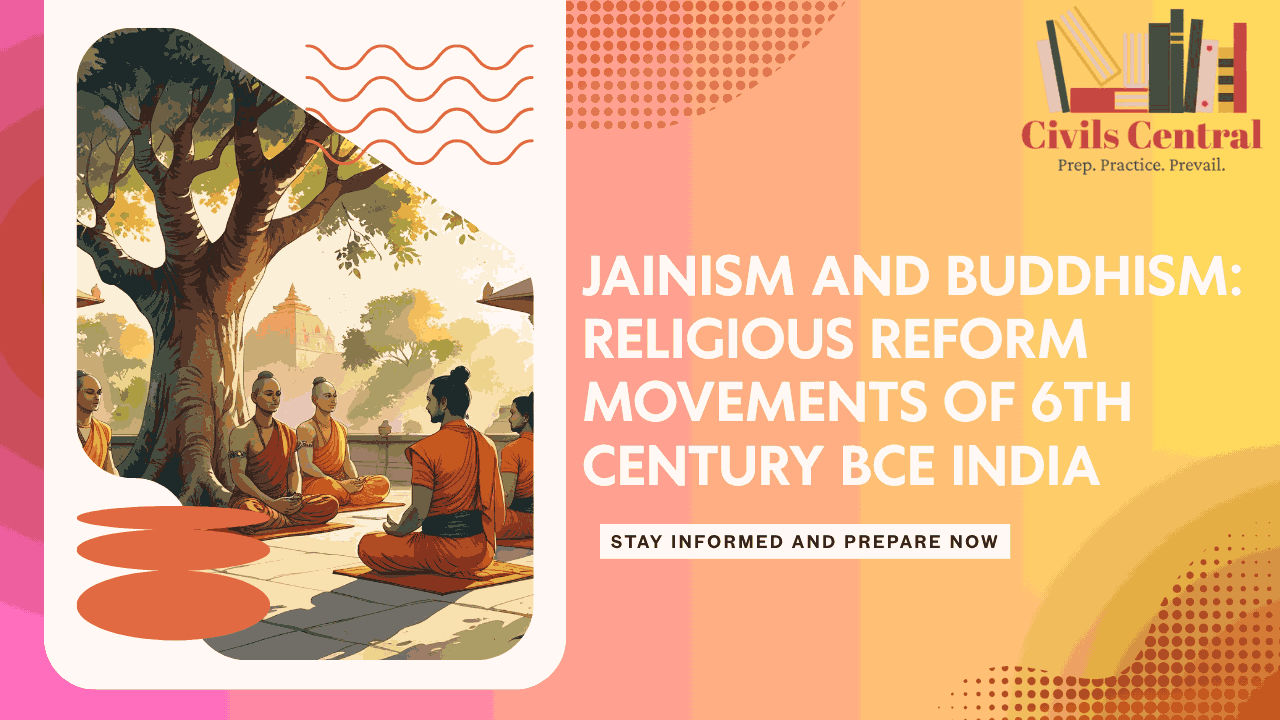
Jainism and Buddhism: Religious Reform Movements of 6th Century BCE India
India in the 6th century BCE witnessed a spiritual and social upheaval. This period saw the birth of two major reformist religious movements — Jainism and Buddhism. Arising as a challenge to the dominant Brahmanical orthodoxy, these faiths changed the…
Read More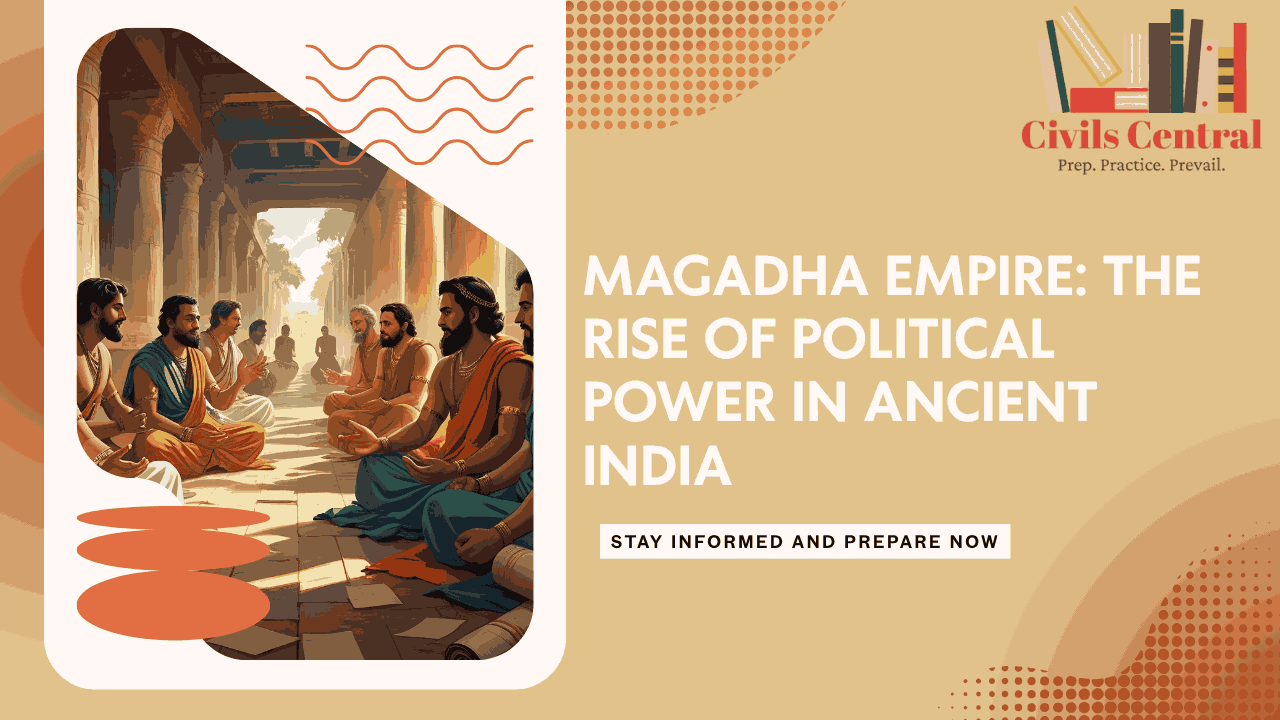
Magadha Empire: The Rise of Political Power in Ancient India
🧭 Introduction: Why Magadha Matters The Magadha Empire represents a pivotal shift in the political landscape of ancient India. As smaller kingdoms and tribal republics gave way to larger territorial states, Magadha emerged as the first true imperial…
Read More