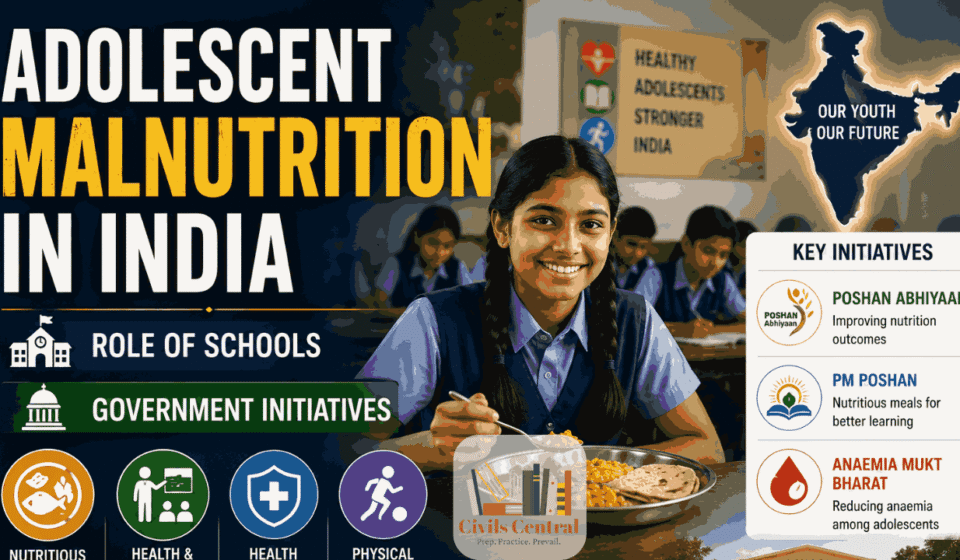

Understanding Adolescent Malnutrition
India is home to the world’s largest adolescent population, with nearly 253 million adolescents (10–19 years). This demographic group represents almost one-fifth of the country’s population and constitutes the future workforce, innovators, entrepreneurs, and leaders who will shape India’s journey towards becoming a developed nation. The health and nutritional status of these young people will significantly influence India’s productivity, economic growth, and ability to harness its demographic dividend.
Adolescence is often described as the “second window of opportunity” for growth after the first 1,000 days of life. During this period, rapid physical growth, hormonal changes, cognitive development, emotional maturation, and the onset of reproductive capability substantially increase nutritional requirements. If these needs are not met, adolescents may suffer from stunting, anaemia, micronutrient deficiencies, obesity, poor educational outcomes, reduced work capacity, and increased susceptibility to chronic diseases later in life.
Traditionally, nutrition policies have focused primarily on pregnant women and children under five years of age. While these interventions remain indispensable, growing evidence indicates that adolescence is equally critical for breaking the intergenerational cycle of malnutrition. Nutritional deficiencies acquired during adolescence can persist into adulthood, affecting maternal health, birth outcomes, workforce productivity, and overall human development.
Schools occupy a unique position in addressing this challenge. They are among the few institutions that interact with adolescents regularly over several years, making them ideal platforms for nutrition education, health screening, micronutrient supplementation, healthy meal provision, physical activity, mental health support, and behaviour change communication. School-based interventions not only improve nutritional status but also enhance attendance, learning outcomes, cognitive performance, and long-term economic productivity.
Recent discussions on strengthening school-based nutrition programmes underscore the need to view schools not merely as centres of education but as institutions that nurture healthy, productive, and resilient citizens.
Understanding Adolescence
The World Health Organization (WHO) defines adolescents as individuals between 10 and 19 years of age. This stage bridges childhood and adulthood and is characterized by profound physical, psychological, emotional, and social changes.
It is generally divided into:
| Stage | Age Group |
|---|---|
| Early Adolescence | 10–14 years |
| Late Adolescence | 15–19 years |
Each phase has distinct nutritional and developmental needs.
Why Adolescence is a Critical Growth Period
Adolescence represents one of the fastest periods of human growth. During this stage:
- Approximately 15–20% of adult height is attained.
- Nearly 40–50% of adult body weight is gained.
- Bone mass increases rapidly.
- Muscle development accelerates.
- Hormonal changes trigger puberty.
- Brain development continues, particularly in areas related to reasoning, emotional regulation, and decision-making.
Consequently, nutritional requirements during adolescence are exceptionally high. Failure to meet these requirements can permanently impair growth and development.
Nutritional Requirements During Adolescence
Adolescents require a balanced diet rich in:
Macronutrients
- Carbohydrates for energy
- Proteins for growth and tissue repair
- Healthy fats for brain development and hormone production
Micronutrients
Several micronutrients become particularly important during adolescence.
Iron
Iron is essential for:
- Haemoglobin synthesis
- Oxygen transport
- Brain development
- Physical endurance
Iron deficiency is one of the leading causes of anaemia, especially among adolescent girls.
Folic Acid
Supports:
- DNA synthesis
- Cell division
- Red blood cell formation
Its importance increases for adolescent girls because of future reproductive health.
Calcium
Approximately half of adult bone mass is accumulated during adolescence. Adequate calcium intake reduces future osteoporosis risk.
Vitamin D
Necessary for:
- Calcium absorption
- Bone health
- Immune function
Zinc
Essential for:
- Growth
- Immunity
- Wound healing
- Pubertal development
Vitamin A
Supports:
- Vision
- Immunity
- Cellular growth
Iodine
Critical for:
- Thyroid function
- Brain development
- Metabolism
What is Adolescent Malnutrition?
Malnutrition refers to deficiencies, excesses, or imbalances in energy and nutrient intake. It is not limited to undernutrition. The WHO recognizes multiple forms of malnutrition.
Forms of Adolescent Malnutrition
1. Undernutrition
Occurs when energy and nutrient intake is insufficient. Manifestations include:
- Low body weight
- Thinness
- Delayed puberty
- Poor immunity
- Reduced physical capacity
2. Micronutrient Deficiencies
Often called hidden hunger, these deficiencies may not be immediately visible but significantly affect health. Common deficiencies include:
- Iron
- Vitamin A
- Zinc
- Calcium
- Vitamin D
- Iodine
3. Anaemia
Anaemia remains one of India’s most serious adolescent health challenges. It occurs when haemoglobin levels fall below normal. Symptoms include:
- Fatigue
- Weakness
- Reduced concentration
- Poor academic performance
- Dizziness
- Breathlessness
Among adolescent girls, menstrual blood loss significantly increases iron requirements.
4. Overnutrition
Urbanization, sedentary lifestyles, and increasing consumption of ultra-processed foods have led to rising levels of:
- Overweight
- Obesity
These increase the risk of:
- Type 2 diabetes
- Hypertension
- Cardiovascular diseases
- Certain cancers
5. Double Burden of Malnutrition
India increasingly faces the double burden of malnutrition, where undernutrition and obesity coexist within the same population, community, or even household. For example:
- One sibling may be underweight.
- Another may be obese.
This reflects changing dietary patterns and lifestyle transitions.
Causes of Adolescent Malnutrition
Adolescent malnutrition results from multiple interacting factors rather than a single cause.
Poverty
Low-income households often lack access to diverse and nutritious foods. Cheap calorie-rich foods frequently replace balanced diets.
Food Insecurity
Seasonal employment, inflation, and limited household income reduce food availability and dietary diversity.
Poor Dietary Practices
Many adolescents consume diets characterized by:
- Excess sugar
- High salt
- Refined carbohydrates
- Sugar-sweetened beverages
- Packaged snacks
- Fast food
while consuming inadequate:
- Fruits
- Vegetables
- Pulses
- Dairy products
Gender Inequality
In several communities, girls receive less nutritious food than boys. Early marriage and adolescent pregnancy further increase nutritional vulnerability.
Lack of Nutrition Awareness
Many adolescents are unaware of:
- Balanced diets
- Iron-rich foods
- Healthy eating habits
- Importance of breakfast
- Food hygiene
Menstrual Health Challenges
Poor menstrual hygiene and inadequate dietary intake contribute significantly to iron deficiency among adolescent girls.
Infections and Poor Sanitation
Repeated infections reduce nutrient absorption. Parasitic worm infections are a major contributor to anaemia.
Sedentary Lifestyle
Reduced physical activity combined with increased screen time contributes to overweight and obesity.
Mental Health
Stress, anxiety, depression, body-image concerns, and eating disorders may influence dietary behaviour.
Consequences of Adolescent Malnutrition
The effects extend far beyond individual health.
Health Consequences
- Poor immunity
- Delayed growth
- Frequent illness
- Pregnancy complications
- Increased mortality
Educational Consequences
Malnutrition affects:
- School attendance
- Memory
- Learning
- Concentration
- Examination performance
Healthy students generally achieve better educational outcomes.
Economic Consequences
Poor nutrition reduces:
- Workforce productivity
- Lifetime earnings
- National economic growth
Investment in adolescent nutrition yields substantial economic returns through improved human capital.
Social Consequences
Malnutrition perpetuates:
- Poverty
- Gender inequality
- Social exclusion
- Intergenerational disadvantage
Adolescent Malnutrition and Human Capital
The concept of human capital recognizes that investments in health, education, and skills enhance the productivity and earning potential of individuals. Well-nourished adolescents are more likely to:
- Complete schooling.
- Acquire skills.
- Participate productively in the workforce.
- Earn higher incomes.
- Contribute to innovation and economic growth.
Conversely, widespread adolescent malnutrition undermines a country’s demographic dividend by limiting the physical and cognitive potential of its future workforce.
For India, where a large share of the population is young, improving adolescent nutrition is not merely a welfare objective but an economic imperative.
Why Schools Matter?
Schools provide an unparalleled opportunity to improve adolescent nutrition because they reach millions of children and adolescents during their formative years.
Unlike short-term interventions, schools interact with students consistently over many years, allowing for sustained nutrition education, health promotion, and behavioural change. Schools can serve as platforms for:
- Nutritious meals
- Iron and folic acid supplementation
- Deworming
- Growth monitoring
- Nutrition education
- Physical education
- Menstrual hygiene management
- Mental health support
- Healthy food environments
- Parent and community engagement
This integrated approach can significantly improve health outcomes while simultaneously enhancing educational attainment and lifelong productivity.
Why the Education System is Central to Tackling Adolescent Malnutrition?
The challenge of adolescent malnutrition cannot be solved solely through hospitals, nutrition centres, or household-level interventions. While families remain the primary providers of food and care, modern public health increasingly recognises that schools are among the most effective institutions for improving adolescent nutrition. Adolescents spend nearly one-third of their waking hours in educational institutions during their formative years, making schools uniquely positioned to influence dietary behaviour, health awareness, physical development, and lifelong lifestyle choices.
Historically, schools have been viewed primarily as centres for academic instruction. However, the understanding of education has evolved significantly over the past few decades. Today, education is regarded as a holistic process that seeks to develop not only cognitive abilities but also physical health, emotional well-being, social responsibility, and life skills. Consequently, schools have emerged as ideal platforms for delivering integrated health and nutrition interventions that reach millions of children and adolescents every day.
The relationship between nutrition and education is bidirectional. Healthy students are better learners, while educated students are more likely to adopt healthy lifestyles. Malnourished adolescents often experience fatigue, poor concentration, reduced memory, lower academic performance, increased absenteeism, and a higher likelihood of dropping out of school. Conversely, improved nutrition enhances cognitive development, attention span, classroom participation, and educational achievement. Thus, investments in school nutrition simultaneously strengthen both public health and educational outcomes.
Globally, school-based nutrition programmes have demonstrated remarkable success in improving attendance, reducing hunger, enhancing learning outcomes, promoting gender equality, and supporting long-term economic development. Recognising these multiple benefits, organisations such as the World Health Organization (WHO), UNICEF, UNESCO, and the Food and Agriculture Organization (FAO) advocate comprehensive school health programmes that combine nutritious meals, health education, micronutrient supplementation, physical activity, mental health support, and preventive healthcare.
For India, this approach is particularly significant. With one of the world’s largest adolescent populations and an extensive network of government and government-aided schools, the education system provides an unparalleled opportunity to reach vulnerable children at scale. Programmes such as PM POSHAN, Weekly Iron and Folic Acid Supplementation (WIFS), National Deworming Day, and the School Health and Wellness Programme illustrate how schools can serve as platforms for delivering multiple interventions through a single institutional framework.
Therefore, tackling adolescent malnutrition through schools is not merely about providing meals; it is about creating an ecosystem that supports healthy growth, lifelong learning, and human capital development.
Why Schools are the Most Effective Platform for Tackling Adolescent Malnutrition
Schools possess several characteristics that make them uniquely suited for implementing nutrition interventions. Unlike many health programmes that depend on voluntary participation, schools interact with students on a regular and structured basis, allowing interventions to be delivered consistently over several years. This continuity enables sustained improvements in nutritional status and behaviour.
1. Universal Reach and Accessibility
Government and government-aided schools collectively serve millions of children and adolescents across urban, rural, tribal, and remote regions. For many economically disadvantaged families, the school system is the only public institution with which adolescents engage daily.
This extensive reach allows nutrition interventions to be delivered equitably, ensuring that vulnerable populations—including girls, Scheduled Castes (SCs), Scheduled Tribes (STs), and economically weaker sections—benefit from public programmes.
2. Addressing Classroom Hunger
Hunger significantly impairs a student’s ability to learn. Adolescents who attend school without adequate food often struggle to concentrate, participate in classroom activities, or retain information. Classroom hunger also contributes to irritability, fatigue, and behavioural issues.
By providing nutritious meals and snacks, schools reduce immediate hunger while simultaneously improving learning outcomes.
3. Promoting Healthy Dietary Habits
Adolescence is a formative period during which lifelong dietary preferences are established. Schools provide repeated opportunities to encourage healthy eating practices through:
- Nutrition education
- Healthy school meals
- Restricting unhealthy foods on campus
- Practical demonstrations
- Peer learning
These experiences help adolescents make informed dietary choices that extend beyond the school environment.
4. Early Detection of Nutritional Problems
Teachers and school health personnel regularly interact with students and are often the first to notice signs of nutritional deficiencies, including:
- Weight loss
- Fatigue
- Poor growth
- Frequent illness
- Reduced classroom participation
Routine health check-ups and growth monitoring enable early identification and timely referral to healthcare facilities.
5. Behaviour Change Communication
Nutrition is not determined solely by food availability; it is also influenced by knowledge, attitudes, and behaviour. Schools can foster lasting behavioural change through:
- Classroom teaching
- Practical activities
- School campaigns
- Competitions
- Peer educators
- Community outreach
Behavioural interventions are often more sustainable than one-time nutritional supplementation.
6. Reducing Gender Inequalities
Adolescent girls frequently face greater nutritional risks due to gender discrimination, menstrual blood loss, and early marriage in certain communities. School-based programmes provide girls with access to nutritious meals, iron supplementation, menstrual hygiene education, and health services that might otherwise be inaccessible.
This contributes to improved educational retention, delayed marriage, healthier pregnancies in adulthood, and enhanced economic participation.
7. Creating Future Healthy Citizens
Schools influence not only current nutritional status but also future health behaviours. Students who learn about balanced diets, physical activity, food safety, and healthy lifestyles are more likely to become informed adults capable of making healthier choices for themselves and their families.
Thus, school nutrition programmes generate benefits that extend across generations.
PM POSHAN Scheme: India’s Flagship School Nutrition Programme
Among all school-based nutrition interventions in India, the Pradhan Mantri Poshan Shakti Nirman (PM POSHAN) Scheme occupies a central position. It is one of the largest school feeding programmes in the world and represents India’s commitment to ensuring that no child attends school on an empty stomach.
Far more than a meal programme, PM POSHAN is an integrated social sector intervention designed to improve nutrition, education, health, gender equity, and social inclusion simultaneously.
Historical Evolution
The origins of India’s school feeding programme can be traced to several State-level initiatives during the twentieth century. One of the earliest and most influential examples was the Mid-Day Meal Programme introduced in Tamil Nadu, which demonstrated that providing meals in schools could significantly improve enrolment and attendance.
Recognising the national importance of school nutrition, the Government of India launched the National Programme of Nutritional Support to Primary Education (NP-NSPE) in 1995. Initially, the programme focused on providing food grains to primary school children. Following judicial interventions and evolving policy priorities, the programme gradually shifted to the provision of hot cooked meals, which offered greater nutritional value and ensured that children actually consumed the intended benefits.
Over time, the scheme expanded its coverage to include upper primary classes, improved nutritional standards, strengthened monitoring mechanisms, and incorporated measures to enhance food safety and quality. In 2021, the programme was renamed PM POSHAN, reflecting a broader vision that emphasises holistic nutrition rather than merely feeding schoolchildren.
The renaming also aligns the programme with India’s wider nutrition agenda under initiatives such as POSHAN Abhiyaan and the goal of improving human capital through better health and education.
Objectives of PM POSHAN
The PM POSHAN Scheme seeks to achieve multiple objectives that extend beyond the immediate provision of food.
1. Improving Nutritional Status
The foremost objective is to ensure that children receive a nutritious meal during the school day, helping to address calorie deficiencies, protein inadequacy, and micronutrient deficiencies that remain prevalent among many school-going children.
2. Reducing Classroom Hunger
Hunger negatively affects concentration, memory, and learning. By providing a hot cooked meal, the scheme enables students to participate more actively in classroom activities and improves their overall learning experience.
3. Enhancing School Enrolment and Attendance
The availability of free nutritious meals encourages parents, particularly those from economically weaker households, to enrol their children in school and ensure regular attendance. This has been especially beneficial for girls and children belonging to socially disadvantaged communities.
4. Reducing Dropout Rates
For many vulnerable families, the school meal represents an important source of daily nutrition. By reducing the economic burden of providing food, PM POSHAN helps retain children in the education system, thereby lowering dropout rates.
5. Promoting Social Equity
A distinctive feature of the programme is that children from diverse social, economic, religious, and caste backgrounds sit together and share the same meal. This common dining experience promotes social inclusion, reduces discrimination, and reinforces constitutional values of equality and fraternity.
6. Supporting Human Capital Development
Well-nourished children perform better academically, enjoy better health, and are more likely to become productive adults. Thus, PM POSHAN is an investment in India’s future workforce and long-term economic development.
Coverage of the Scheme
PM POSHAN covers children enrolled in:
- Balvatikas (pre-primary classes attached to government schools)
- Primary classes (I to V)
- Upper primary classes (VI to VIII)
The scheme is implemented in:
- Government schools
- Government-aided schools
- Special Training Centres under the Right to Education framework
By reaching millions of children daily, PM POSHAN remains one of the largest social protection programmes in the world.
Nutritional Standards
The effectiveness of PM POSHAN depends not only on meal distribution but also on the nutritional quality of the food provided. Accordingly, the scheme prescribes nutritional norms regarding calorie and protein content for different age groups. Meals are expected to include a balanced combination of:
- Cereals
- Pulses
- Vegetables
- Oils and fats
- Locally available nutritious foods
Several States have further diversified school meals by including:
- Eggs
- Milk
- Fruits
- Millets
- Fortified rice
Such diversification improves dietary diversity and addresses region-specific nutritional deficiencies.
Salient Features of PM POSHAN
PM POSHAN is much more than a programme for providing free meals in schools. It is a multidimensional intervention that integrates nutrition, education, health, social inclusion, agriculture, and community participation. Over the years, the scheme has evolved to address not only classroom hunger but also broader developmental objectives.
1. Provision of Hot Cooked Meals
One of the defining features of PM POSHAN is the provision of hot cooked meals rather than dry rations during regular school days. Hot meals ensure that children actually consume nutritious food while at school and provide greater dietary diversity compared to uncooked food grains.
Meals are prepared according to nutritional norms prescribed by the Government of India and are expected to include cereals, pulses, vegetables, edible oils, and, wherever possible, additional sources of protein and micronutrients such as eggs, milk, fruits, or fortified foods. Many States have introduced region-specific menus to accommodate local dietary preferences and improve acceptability among students.
Hot cooked meals also create opportunities to promote healthy eating habits by exposing children to balanced diets prepared using locally available ingredients.
2. Nutritional Security
The central objective of PM POSHAN is to improve the nutritional status of school-going children by ensuring that they receive at least one balanced meal during the school day.
For many children from economically weaker households, the school meal represents the most nutritious meal consumed during the day. Consequently, the programme helps reduce deficiencies in calories, proteins, and essential micronutrients that are crucial for physical growth, cognitive development, and immunity.
By reducing hunger and improving nutritional intake, PM POSHAN contributes directly to better health outcomes and strengthens the foundation for lifelong well-being.
3. Universal Access and Equity
PM POSHAN is designed as an inclusive programme that reaches children across different socio-economic, geographical, and cultural backgrounds.
The scheme promotes equity by ensuring that children studying in eligible government and government-aided schools receive meals irrespective of caste, religion, gender, or economic status. This universal approach helps reduce disparities in nutritional access and supports the constitutional principles of equality and social justice.
Special attention is also given to schools located in remote, tribal, aspirational, and educationally backward districts where nutritional vulnerabilities are often more pronounced.
4. Social Integration
One of the most remarkable achievements of India’s school meal programme lies beyond nutrition. Shared meals encourage children from different social groups to sit together, eat together, and interact without discrimination.
In a country historically affected by caste-based segregation and social inequalities, common dining has become an important instrument for promoting fraternity, inclusion, and mutual respect. Schools thus become spaces where constitutional values are practised in everyday life.
The scheme therefore contributes not only to physical nourishment but also to nation-building by fostering social cohesion among future citizens.
5. Strengthening Educational Outcomes
Nutrition and education are closely interconnected. Numerous studies have demonstrated that hungry children struggle to concentrate, participate in classroom discussions, and retain information. PM POSHAN addresses this challenge by reducing classroom hunger and creating a more conducive learning environment.
Improved nutritional status contributes to:
- Better concentration and attention span.
- Enhanced memory and cognitive performance.
- Increased classroom participation.
- Reduced absenteeism.
- Improved academic achievement.
- Lower dropout rates.
Thus, the scheme supports the broader objective of improving educational quality rather than functioning solely as a nutrition programme.
6. Promotion of Local Food Systems
Recent reforms encourage schools to utilise locally available and culturally appropriate food items. This approach offers multiple advantages.
Firstly, locally sourced foods are often fresher and better suited to regional dietary habits. Secondly, procurement from local farmers and farmer producer organisations (FPOs) strengthens rural livelihoods and reduces transportation costs. Thirdly, incorporating traditional foods such as millets supports nutritional diversity while promoting climate-resilient agriculture.
This convergence between agriculture and nutrition reflects the broader objective of creating sustainable food systems.
7. Food Safety and Hygiene
The success of any school meal programme depends not only on nutritional content but also on food safety. PM POSHAN emphasises:
- Hygienic cooking practices.
- Safe drinking water.
- Proper storage of food grains.
- Regular kitchen inspections.
- Quality testing of food.
- Personal hygiene among cooks and helpers.
- Safe cooking infrastructure.
Schools are encouraged to follow standard operating procedures to minimise food contamination and ensure the health of beneficiaries.
Implementation Mechanism
The implementation of PM POSHAN follows a collaborative model involving multiple levels of government and community participation.
Role of the Central Government
The Central Government provides policy guidelines, financial assistance, nutritional norms, and monitoring frameworks. It also supports States through budgetary allocations for food grains, cooking costs, infrastructure, and capacity building.
Role of State Governments
State Governments are responsible for:
- Programme implementation.
- Preparation of menus.
- Appointment of cooks and helpers.
- Quality control.
- Monitoring.
- Timely fund utilisation.
- Local innovations.
Many States supplement central assistance by introducing eggs, milk, fruits, or region-specific nutritious foods using their own financial resources.
Role of Local Authorities
District administrations, Panchayati Raj Institutions, Urban Local Bodies, and School Management Committees (SMCs) play a crucial role in local supervision and community participation.
Their responsibilities include:
- Monitoring meal quality.
- Ensuring regular food supply.
- Addressing grievances.
- Maintaining hygiene standards.
- Encouraging community ownership.
This decentralised model enhances transparency and accountability.
PM POSHAN and Poshan Vatikas
Recognising that nutrition extends beyond meal provision, PM POSHAN encourages schools to establish Poshan Vatikas, also known as School Nutrition Gardens. These gardens are cultivated within school premises or nearby community land and grow:
- Spinach
- Tomatoes
- Carrots
- Beans
- Pumpkin
- Papaya
- Drumstick
- Seasonal fruits
- Medicinal plants
Educational Benefits
Nutrition gardens transform schools into experiential learning centres. Students learn:
- Basics of agriculture.
- Importance of dietary diversity.
- Environmental conservation.
- Water management.
- Organic farming.
- Seasonal food production.
Such practical exposure strengthens classroom learning and promotes healthy eating habits.
Nutritional Benefits
Fresh vegetables and fruits harvested from school gardens can supplement school meals, increasing the availability of vitamins, minerals, and dietary fibre. This improves meal quality while encouraging students to consume foods that are often absent from household diets.
Community Participation
Parents, local farmers, self-help groups, agricultural extension officers, and village communities frequently contribute to the establishment and maintenance of nutrition gardens.
Such collaboration enhances ownership and strengthens school-community relationships.
Contribution of PM POSHAN to Adolescent Nutrition
Although PM POSHAN primarily covers children up to upper primary classes, its contribution to adolescent nutrition is substantial because many beneficiaries enter early adolescence while enrolled in Classes VI to VIII. The programme supports adolescent health in several ways.
Improved Energy Intake
Balanced meals provide the calories necessary to support rapid physical growth during adolescence.
Enhanced Protein Consumption
Pulses, eggs, milk, and other protein-rich foods support muscle development, tissue repair, and immune function.
Micronutrient Supplementation Through Food
Inclusion of vegetables, fruits, fortified staples, and locally available nutritious foods helps reduce deficiencies of:
- Iron
- Vitamin A
- Calcium
- Folate
- Zinc
Better Educational Outcomes
Improved nutritional status enhances:
- Learning capacity.
- Classroom participation.
- Examination performance.
- School attendance.
Promotion of Healthy Dietary Behaviour
Repeated exposure to balanced meals helps adolescents develop lifelong healthy food preferences.
Achievements of PM POSHAN
Over nearly three decades, India’s school meal programme has generated significant social and developmental benefits.
Increased School Enrolment
The availability of free nutritious meals has encouraged enrolment, particularly among economically weaker households.
Improved Attendance
Children are more likely to attend school regularly when meals are provided consistently.
Reduced Dropout Rates
School meals reduce the financial burden on poor families and encourage children to remain in school.
Better Nutritional Outcomes
Although PM POSHAN alone cannot eliminate malnutrition, it significantly improves daily dietary intake among millions of children.
Promotion of Gender Equality
The programme encourages families to send girls to school, thereby improving female literacy and educational participation.
Social Inclusion
Shared meals have helped reduce social barriers and foster inclusion among children belonging to different castes, religions, and economic backgrounds.
Challenges in Implementation
Despite its achievements, PM POSHAN faces several implementation challenges.
Food Quality and Safety
Occasional incidents of poor-quality food, contamination, or hygiene lapses undermine public confidence and highlight the need for stronger monitoring.
Infrastructure Deficiencies
Many schools continue to face shortages of:
- Modern kitchens.
- Safe storage facilities.
- Clean drinking water.
- Adequate dining spaces.
Financial Constraints
Delays in fund release and rising food prices affect meal quality and programme sustainability.
Regional Disparities
Implementation quality varies considerably across States due to differences in administrative capacity, local governance, and resource availability.
Monitoring and Accountability
Strengthening digital monitoring systems, social audits, and community participation remains essential to ensure transparency and improve service delivery.
The scheme also advances several Sustainable Development Goals (SDGs), including:
- SDG 2: Zero Hunger.
- SDG 3: Good Health and Well-being.
- SDG 4: Quality Education.
- SDG 5: Gender Equality.
- SDG 10: Reduced Inequalities.
PM POSHAN illustrates how a single well-designed programme can simultaneously address hunger, improve educational outcomes, reduce social inequalities, and strengthen India’s human capital. It is therefore not merely a school feeding initiative but a cornerstone of India’s broader strategy for inclusive and sustainable development.
Weekly Iron and Folic Acid Supplementation (WIFS)
Among all nutritional deficiencies affecting adolescents, iron deficiency anaemia remains one of the most widespread and persistent public health challenges in India. Unlike acute illnesses that produce immediate symptoms, anaemia often develops gradually and is therefore described as a “silent epidemic.” Millions of adolescents continue their daily activities while experiencing fatigue, reduced physical endurance, poor concentration, and diminished cognitive performance without recognising that these symptoms arise from nutritional deficiencies.
Recognising the enormous educational, health, and economic consequences of anaemia, the Government of India launched the Weekly Iron and Folic Acid Supplementation (WIFS) programme as a nationwide school-based intervention. The programme seeks not merely to distribute iron tablets but to improve adolescent health, strengthen learning outcomes, and enhance India’s future human capital.
Schools provide the ideal platform for implementing WIFS because they allow health workers and teachers to reach large numbers of adolescents regularly, ensure supervised consumption of supplements, monitor compliance, and provide nutrition education alongside supplementation.
Understanding Anaemia
Anaemia is a condition in which the concentration of haemoglobin in the blood falls below the level required to meet the body’s physiological needs.
Haemoglobin is an iron-containing protein found in red blood cells that transports oxygen from the lungs to various tissues and organs. When haemoglobin levels decline, the body’s oxygen-carrying capacity decreases, leading to reduced energy production and impaired functioning of multiple organ systems.
Although anaemia may result from several causes—including infections, genetic disorders, vitamin deficiencies, and chronic diseases—the most common cause globally is iron deficiency.
Why are Adolescents Particularly Vulnerable?
Adolescence represents one of the fastest phases of physical growth after infancy. During this period, the body requires significantly greater quantities of iron to support expanding blood volume, muscle development, and rapid tissue growth.
Several factors make adolescents especially susceptible to iron deficiency.
Rapid Physical Growth
Growth spurts substantially increase the body’s demand for iron. As height and body mass increase rapidly, additional haemoglobin is required to supply oxygen to newly developing tissues.
Menstrual Blood Loss
Adolescent girls are particularly vulnerable because menstruation results in regular loss of iron. If dietary intake is inadequate, iron stores become depleted, leading to anaemia. This explains why anaemia prevalence is generally higher among adolescent girls than boys.
Poor Dietary Intake
Many adolescents consume diets dominated by:
- Refined cereals.
- Highly processed foods.
- Sugar-sweetened beverages.
- Junk food.
At the same time, they often consume insufficient quantities of:
- Green leafy vegetables.
- Pulses.
- Millets.
- Meat, fish, and eggs (where consumed).
- Iron-fortified foods.
Such dietary patterns fail to meet the increased nutritional demands of adolescence.
Poor Iron Absorption
Even when iron is present in food, its absorption may be limited. Tea and coffee consumed with meals inhibit iron absorption, whereas foods rich in Vitamin C, such as citrus fruits and amla, enhance it. Poor dietary practices therefore contribute to persistent iron deficiency despite adequate calorie intake.
Worm Infestations
Parasitic infections such as hookworm lead to chronic blood loss and reduce nutrient absorption, further increasing the risk of anaemia. This is one reason why deworming programmes complement WIFS in school health initiatives.
Consequences of Anaemia
Anaemia affects far more than physical health. It has profound educational, social, and economic implications.
Health Consequences
Adolescents with anaemia frequently experience:
- Persistent fatigue.
- Weakness.
- Breathlessness.
- Frequent infections.
- Headaches.
- Reduced physical stamina.
Severe anaemia can also increase the risk of maternal complications among adolescent girls who become pregnant.
Educational Consequences
Iron deficiency adversely affects brain function. Students suffering from anaemia often demonstrate:
- Reduced attention span.
- Poor memory.
- Difficulty concentrating.
- Slower learning.
- Lower academic achievement.
- Increased absenteeism.
These effects directly undermine the objectives of universal quality education.
Economic Consequences
At the national level, widespread anaemia reduces workforce productivity, lowers labour efficiency, and increases healthcare expenditure. Countries with high anaemia prevalence often experience significant economic losses due to reduced human capital and diminished productivity. Thus, addressing anaemia is not merely a health intervention—it is an investment in economic development.
Evolution of the WIFS Programme
Prior to WIFS, iron supplementation programmes in India primarily focused on pregnant women and young children. However, growing scientific evidence demonstrated that adolescence represented another critical window for nutritional intervention. Iron deficiency during these years affects educational performance, future reproductive health, and workforce productivity.
To bridge this gap, the Government of India introduced the Weekly Iron and Folic Acid Supplementation (WIFS) programme in 2012–13 under the National Health Mission (NHM). The programme specifically targets adolescents aged 10–19 years, both those attending school and those who are out of school.
Its design reflects the understanding that improving adolescent nutrition is essential for breaking the intergenerational cycle of malnutrition.
Objectives of WIFS
The programme pursues several interconnected objectives.
Preventing Iron Deficiency Anaemia
Its primary objective is to reduce the prevalence of iron deficiency anaemia among adolescents through regular supplementation.
Improving Nutritional Status
Regular intake of iron and folic acid improves haemoglobin levels and overall nutritional well-being.
Enhancing Educational Outcomes
By reducing fatigue and improving concentration, WIFS contributes to better classroom participation, attendance, and academic performance.
Supporting Healthy Growth
Adequate iron intake enables adolescents to achieve their full physical and cognitive potential during this critical stage of development.
Preparing Healthy Future Mothers
Improving iron stores among adolescent girls before pregnancy significantly reduces the risk of maternal anaemia and adverse birth outcomes in later life.
Thus, WIFS contributes to breaking the intergenerational cycle of malnutrition.
Components of the WIFS Programme
The programme consists of three mutually reinforcing components.
Weekly Iron and Folic Acid Supplementation
Eligible adolescents receive one Iron and Folic Acid (IFA) tablet every week under supervised conditions. The supervised approach helps improve compliance and ensures that supplements are actually consumed.
Biannual Deworming
Since worm infestations reduce nutrient absorption and contribute to blood loss, adolescents also receive periodic deworming medication. This integrated strategy significantly improves the effectiveness of iron supplementation.
Nutrition and Health Education
Students receive education on:
- Balanced diets.
- Iron-rich foods.
- Healthy eating habits.
- Personal hygiene.
- Importance of deworming.
- Prevention of anaemia.
Thus, WIFS combines supplementation with long-term behaviour change rather than relying solely on tablets.
Why Schools are the Ideal Delivery Platform
Schools provide several operational advantages for implementing WIFS.
Regular Contact
Teachers interact with students throughout the academic year, allowing supplements to be distributed consistently.
Supervised Consumption
Iron tablets are consumed under teacher supervision, reducing non-compliance.
Efficient Coverage
Schools enable health authorities to reach millions of adolescents simultaneously without requiring individual health facility visits.
Health Education
Nutrition awareness sessions can be integrated into classroom teaching and co-curricular activities.
Monitoring
Teachers maintain records of tablet distribution, monitor adverse reactions, and coordinate with health workers where necessary. This school-based model significantly reduces programme costs while improving coverage and effectiveness.
Roles and Responsibilities
Successful implementation of WIFS depends on coordinated action among multiple stakeholders.
Teachers
Teachers serve as frontline facilitators by:
- Distributing tablets.
- Supervising consumption.
- Maintaining records.
- Providing nutrition education.
- Encouraging regular participation.
Health Workers
Medical Officers, ANMs, ASHAs, and other frontline health workers:
- Supply supplements.
- Conduct training.
- Monitor implementation.
- Address medical concerns.
Parents
Parents reinforce healthy dietary practices at home and encourage regular participation in the programme.
School Management Committees
SMCs oversee implementation, support awareness campaigns, and strengthen community participation.
WIFS and Anaemia Mukt Bharat
The WIFS programme now functions as a key component of Anaemia Mukt Bharat (AMB), India’s flagship strategy to reduce anaemia across different life stages.
Under Anaemia Mukt Bharat, WIFS contributes to the life-cycle approach, ensuring that adolescents receive preventive interventions before entering adulthood. This convergence improves programme efficiency and strengthens India’s broader nutrition strategy. Rather than operating as an isolated initiative, WIFS is now integrated with:
- Anaemia Mukt Bharat.
- National Iron Plus Initiative (NIPI).
- National Deworming Day.
- School Health and Wellness Programme.
- POSHAN Abhiyaan.
This convergence reflects the recognition that adolescent nutrition requires coordinated, multi-sectoral action.
National Deworming Day
Nutrition interventions cannot succeed unless the body is able to absorb and utilise the nutrients consumed. A child may receive nutritious meals every day and regularly consume iron and folic acid supplements, yet continue to suffer from malnutrition if intestinal worm infections prevent the absorption of essential nutrients. Recognising this close relationship between parasitic infections and nutritional status, India launched the National Deworming Day (NDD) programme as a nationwide public health initiative.
National Deworming Day represents one of the largest school-based public health campaigns in the world. It aims to eliminate Soil-Transmitted Helminth (STH) infections among children and adolescents through periodic administration of safe and effective deworming medicines. By reducing the burden of intestinal worms, the programme improves nutrient absorption, enhances the effectiveness of nutritional interventions, and contributes to better physical growth, cognitive development, and educational outcomes.
Schools play a central role in implementing this programme because they provide an organised platform for reaching millions of children simultaneously. Teachers, in collaboration with health workers, administer deworming tablets, educate students about hygiene and sanitation, and reinforce healthy behaviours that reduce the risk of reinfection.
Understanding Soil-Transmitted Helminth (STH) Infections
Soil-Transmitted Helminths are parasitic worms that infect the human intestine. These infections are among the most common neglected tropical diseases globally and are particularly prevalent in areas with poor sanitation, inadequate access to safe drinking water, and limited hygiene practices.
The major soil-transmitted helminths affecting humans include:
- Roundworm (Ascaris lumbricoides)
- Whipworm (Trichuris trichiura)
- Hookworms (Ancylostoma duodenale and Necator americanus)
These parasites thrive in environments contaminated with human faeces. Eggs released into the soil can survive for long periods and infect individuals through contaminated food, water, or direct contact with contaminated soil.
Children and adolescents are especially vulnerable because they are more likely to be exposed to contaminated environments through outdoor activities and inadequate hand hygiene.
How Worm Infections Cause Malnutrition?
Intestinal worms contribute to malnutrition through multiple mechanisms.
1. Competition for Nutrients
Parasitic worms consume nutrients from the food eaten by the infected individual. As a result, fewer nutrients are available for the body’s own growth and development.
2. Reduced Nutrient Absorption
Worm infestations damage the intestinal lining, reducing the body’s ability to absorb essential nutrients such as:
- Iron
- Vitamin A
- Folate
- Proteins
- Other micronutrients
This diminishes the effectiveness of school meals and nutritional supplementation programmes.
3. Blood Loss
Hookworms attach themselves to the intestinal wall and feed on blood, causing chronic blood loss over time. This significantly increases the risk of iron deficiency anaemia, particularly among adolescent girls who already have higher iron requirements because of menstruation.
4. Loss of Appetite
Children infected with intestinal worms often experience reduced appetite, resulting in lower food intake and inadequate dietary energy.
5. Impaired Growth
Repeated infections contribute to:
- Stunting
- Wasting
- Poor weight gain
- Delayed physical development
Thus, worm infections not only affect current nutritional status but also compromise long-term human development.
Impact on Learning and Educational Outcomes
The consequences of worm infections extend beyond physical health. Children suffering from heavy worm infestations often experience:
- Fatigue
- Weakness
- Poor concentration
- Reduced attention span
- Memory impairment
- Increased absenteeism
- Lower academic achievement
Several international studies have shown that school-based deworming programmes improve attendance and classroom participation, especially in areas where worm infections are common.
For India, where education is central to human capital development, reducing worm infections contributes directly to better learning outcomes and future workforce productivity.
Evolution of National Deworming Day
Recognising the high prevalence of intestinal worm infections among school-age children, the Government of India launched the National Deworming Day (NDD) programme in 2015 under the National Health Mission (NHM).
The programme is implemented by the Ministry of Health and Family Welfare in collaboration with the Ministry of Education, State Governments, and development partners. It is designed as a nationwide campaign to ensure that every eligible child receives deworming medication at regular intervals, irrespective of socio-economic status.
Today, National Deworming Day has become one of the world’s largest public health campaigns, reaching hundreds of millions of children every year through schools and Anganwadi Centres.
Objectives of National Deworming Day
The programme seeks to achieve multiple public health objectives.
Reduce the Burden of Worm Infections
Its primary objective is to lower the prevalence and intensity of soil-transmitted helminth infections among children and adolescents.
Improve Nutritional Status
By eliminating intestinal worms, the programme enables better absorption of nutrients obtained through food and nutritional supplementation.
Prevent Anaemia
Since hookworm infections contribute to chronic blood loss, regular deworming helps reduce the risk of iron deficiency anaemia. This complements interventions such as the Weekly Iron and Folic Acid Supplementation (WIFS) programme.
Promote Healthy Growth
Children free from worm infections are more likely to achieve normal physical growth and developmental milestones.
Improve Educational Outcomes
Better health contributes to:
- Improved school attendance.
- Enhanced classroom participation.
- Better concentration.
- Higher learning outcomes.
How the Programme is Implemented?
National Deworming Day follows a coordinated implementation strategy involving multiple stakeholders.
School-Based Distribution
Government and government-aided schools serve as the primary distribution points. On designated days, teachers administer Albendazole tablets, a safe and effective anti-helminthic medicine recommended by the World Health Organization. The medicine is provided under supervision to ensure proper consumption.
Anganwadi Centres
Children who are not yet enrolled in school receive deworming tablets through Anganwadi Centres, ensuring that preschool children are also covered. This life-cycle approach reduces the overall burden of worm infections in the community.
Mop-Up Day
Recognising that some children may be absent on National Deworming Day, a Mop-Up Day is organised shortly afterwards. This ensures higher programme coverage and minimises missed beneficiaries.
Why Schools are Central to Deworming?
Schools provide several advantages for implementing deworming programmes.
Large-Scale Coverage
Millions of children can be reached within a short period using existing educational infrastructure.
Cost-Effective Delivery
School-based distribution significantly reduces administrative costs compared with individual health facility visits.
Health Education
Teachers educate students about:
- Handwashing.
- Safe drinking water.
- Use of toilets.
- Personal hygiene.
- Prevention of reinfection.
Thus, schools address both treatment and prevention.
Behaviour Change
Repeated hygiene education encourages long-term behavioural changes that reduce the likelihood of future infections.
Linkages with Other Nutrition Programmes
National Deworming Day should not be viewed as an isolated health campaign. Its effectiveness increases substantially when integrated with other school-based interventions.
PM POSHAN
Nutritious meals are more beneficial when children are free from worm infections that interfere with nutrient absorption.
Weekly Iron and Folic Acid Supplementation (WIFS)
Iron supplementation becomes more effective when blood loss caused by hookworm infections is reduced.
School Health and Wellness Programme
Health education, sanitation, and preventive care complement periodic deworming.
Swachh Bharat Mission
Improved sanitation reduces environmental contamination and interrupts the transmission cycle of soil-transmitted helminths.
Jal Jeevan Mission
Access to safe drinking water lowers the risk of infection and supports better hygiene practices.
Achievements of National Deworming Day
Since its launch, the programme has achieved significant progress.
Large-Scale Coverage
India has established one of the world’s largest school-based deworming initiatives, covering millions of children and adolescents annually.
Improved Nutritional Outcomes
Regular deworming enhances nutrient absorption, thereby increasing the effectiveness of nutrition programmes.
Reduced Disease Burden
Periodic treatment has contributed to lowering the prevalence and intensity of worm infections in many endemic areas.
Strengthened School-Health Convergence
The programme demonstrates effective collaboration between the health and education sectors, serving as a model for integrated service delivery.
Challenges
Despite its success, several challenges remain.
Reinfection
Children living in areas with poor sanitation remain vulnerable to repeated infections. Without improvements in water, sanitation, and hygiene (WASH), the benefits of deworming may be temporary.
Behavioural Barriers
Some parents and communities remain hesitant due to misconceptions about deworming medicines. Continuous awareness campaigns are therefore essential.
Uneven Coverage
Remote, tribal, and conflict-affected regions may experience lower programme coverage because of logistical challenges.
Monitoring
Accurate reporting and regular surveillance are necessary to assess programme effectiveness and identify high-risk districts.
Way Forward
To maximise the impact of National Deworming Day, India should adopt a comprehensive approach.
- Strengthen convergence with PM POSHAN, WIFS, and the School Health and Wellness Programme.
- Improve sanitation infrastructure in schools through functional toilets and handwashing facilities.
- Ensure universal access to safe drinking water.
- Promote hygiene education as part of the school curriculum.
- Use digital monitoring systems to improve reporting and programme evaluation.
- Enhance community awareness through parents, local governments, and frontline health workers.
Such an integrated strategy addresses both the treatment of existing infections and the prevention of future transmission
School Health and Wellness Programme (SHWP)
The health of adolescents cannot be ensured through nutritional supplementation alone. While balanced diets and micronutrient interventions are essential, they must be complemented by preventive healthcare, health education, mental well-being, physical activity, menstrual hygiene management, and life skills education. Adolescence is a period marked by rapid physical growth, emotional changes, social transitions, and increasing independence. Consequently, health interventions during this stage must adopt a holistic approach that addresses both physical and psychological well-being.
Recognising this need, the Government of India launched the School Health and Wellness Programme (SHWP) under the Ayushman Bharat Programme. The initiative represents a shift from treating illness to promoting overall health and well-being by transforming schools into centres of preventive healthcare and healthy living.
Unlike conventional health programmes that focus on a single disease or nutritional deficiency, SHWP integrates nutrition, hygiene, physical fitness, reproductive health, mental health, substance abuse prevention, environmental awareness, and life skills into the school curriculum. In doing so, it seeks to equip adolescents not only with knowledge but also with the attitudes and behaviours required to lead healthy and productive lives.
Evolution of School Health Services in India
School health services have existed in India for several decades in the form of periodic medical check-ups, vaccination campaigns, and health awareness programmes. However, these initiatives were often fragmented, irregular, and primarily curative in nature. They focused on identifying diseases after they had occurred rather than preventing them.
With increasing evidence that many adult diseases originate from unhealthy behaviours established during adolescence, policymakers recognised the need for a more comprehensive school-based health programme.
This led to the launch of the School Health and Wellness Programme in 2018 as part of Ayushman Bharat, India’s flagship health sector initiative. The programme is jointly implemented by the Ministry of Health and Family Welfare and the Ministry of Education, reflecting the understanding that education and health are inseparable components of human development.
Vision of the Programme
The School Health and Wellness Programme envisions schools as environments where every student has the opportunity to grow physically, mentally, emotionally, and socially in a safe and supportive setting.
The programme seeks to move beyond the traditional concept of school health as occasional medical examinations. Instead, it promotes continuous health education, preventive care, and healthy lifestyle practices throughout the academic year.
Its guiding philosophy is that healthy children learn better, remain in school longer, and become healthier adults capable of contributing positively to society and the economy.
Objectives of SHWP
The programme pursues several interconnected objectives.
1. Promote Holistic Health
The foremost objective is to improve the overall well-being of school-going children by addressing multiple dimensions of health rather than focusing exclusively on disease treatment.
2. Encourage Preventive Healthcare
The programme aims to identify health problems at an early stage through regular screening and timely referral, thereby reducing the burden of preventable diseases.
3. Improve Nutrition
Nutrition education, healthy eating habits, growth monitoring, and convergence with programmes such as PM POSHAN and WIFS contribute to better nutritional outcomes.
4. Develop Life Skills
Students are encouraged to develop skills such as:
- Decision-making.
- Problem-solving.
- Emotional regulation.
- Effective communication.
- Empathy.
- Stress management.
These life skills enable adolescents to make informed choices regarding health, nutrition, relationships, and personal development.
5. Foster Healthy Behaviour
The programme seeks to establish lifelong healthy habits through regular education on:
- Balanced diets.
- Physical activity.
- Personal hygiene.
- Mental well-being.
- Responsible use of digital technology.
- Avoidance of tobacco, alcohol, and substance abuse.
Major Components of SHWP
The School Health and Wellness Programme covers eleven thematic areas, reflecting its comprehensive approach to adolescent health.
1. Nutrition and Healthy Eating
Nutrition forms one of the core pillars of SHWP.
Students receive education on:
- Balanced diets.
- Food groups.
- Micronutrients.
- Healthy cooking practices.
- Reading food labels.
- Limiting junk food consumption.
- Dietary diversity.
- Safe food handling.
Teachers encourage students to appreciate locally available, seasonal, and nutritious foods while discouraging excessive consumption of ultra-processed foods and sugar-sweetened beverages. The programme also reinforces the nutritional benefits provided through PM POSHAN and other school feeding initiatives.
2. Personal Hygiene and Sanitation
Good nutrition alone cannot ensure health unless accompanied by proper hygiene. Students are educated about:
- Handwashing with soap.
- Oral hygiene.
- Bathing.
- Nail care.
- Safe drinking water.
- Toilet hygiene.
- Waste disposal.
These practices reduce the spread of communicable diseases and improve overall health.
3. Mental Health and Emotional Well-being
Adolescence is associated with rapid emotional and psychological changes. Academic pressure, peer relationships, family expectations, social media exposure, and body image concerns can significantly affect mental health.
The programme promotes:
- Emotional resilience.
- Positive self-esteem.
- Stress management.
- Healthy relationships.
- Help-seeking behaviour.
- Prevention of bullying.
Teachers are encouraged to identify students experiencing emotional difficulties and facilitate appropriate counselling or referral.
4. Physical Activity and Fitness
Regular physical activity is essential for preventing obesity, strengthening bones and muscles, improving cardiovascular health, and enhancing mental well-being. Schools are encouraged to provide:
- Daily sports activities.
- Yoga sessions.
- Physical education classes.
- Recreational games.
- Fitness assessments.
The programme emphasises that active lifestyles established during adolescence often continue into adulthood.
5. Reproductive and Sexual Health
Adolescents require scientifically accurate and age-appropriate information regarding puberty, reproductive health, and responsible decision-making. The programme addresses:
- Physical changes during puberty.
- Reproductive health.
- Respectful relationships.
- Prevention of sexually transmitted infections.
- Responsible behaviour.
The objective is to equip adolescents with knowledge while dispelling myths and misconceptions.
6. Menstrual Health and Hygiene
For adolescent girls, menstruation is a critical aspect of health and education. The programme promotes:
- Awareness regarding menstruation.
- Safe menstrual hygiene practices.
- Access to clean sanitation facilities.
- Reduction of stigma and discrimination.
- Proper disposal of menstrual waste.
By improving menstrual hygiene management, the programme helps reduce absenteeism among girls and supports gender equality in education.
7. Prevention of Substance Abuse
The programme educates students about the harmful effects of:
- Tobacco.
- Alcohol.
- Drugs.
- Inhalants.
Interactive discussions and life skills education help adolescents resist peer pressure and adopt healthy lifestyles.
8. Prevention of Injuries and Violence
Students learn about:
- Road safety.
- Fire safety.
- First aid.
- Prevention of bullying.
- Safe use of digital platforms.
- Protection from violence and abuse.
Creating safe school environments is considered an essential component of adolescent well-being.
9. Promotion of Healthy Lifestyles
The programme encourages students to adopt daily habits that support long-term health, including:
- Adequate sleep.
- Balanced nutrition.
- Physical exercise.
- Time management.
- Responsible use of technology.
Healthy lifestyles reduce the future burden of non-communicable diseases such as diabetes, hypertension, and cardiovascular diseases.
10. Environmental Health
Students are encouraged to understand the relationship between environmental quality and human health. Topics include:
- Clean air.
- Safe water.
- Waste management.
- Climate change.
- Biodiversity.
- Sustainable consumption.
Environmental awareness promotes responsible citizenship and supports sustainable development.
11. Health Services and Referral
Schools function as the first point of contact for identifying health concerns. Students requiring specialised care are referred to nearby health facilities for diagnosis and treatment. This referral mechanism strengthens coordination between schools and the healthcare system.
Health and Wellness Ambassadors
One of the programme’s most innovative features is the appointment of Health and Wellness Ambassadors. Two teachers from each participating school are trained to deliver health education sessions and coordinate programme activities.
Their responsibilities include:
- Conducting classroom sessions.
- Promoting healthy behaviours.
- Organising awareness campaigns.
- Coordinating health screening.
- Maintaining records.
- Liaising with health workers and parents.
By empowering teachers, the programme integrates health promotion into the everyday functioning of schools rather than treating it as an occasional activity.
Why SHWP is Critical for Tackling Adolescent Malnutrition
The School Health and Wellness Programme addresses several underlying determinants of malnutrition simultaneously.
It:
- Reinforces healthy eating habits.
- Encourages physical activity.
- Promotes menstrual hygiene.
- Prevents infections through improved hygiene.
- Supports mental health, which influences dietary behaviour.
- Identifies nutritional deficiencies through health screening.
- Facilitates timely referral and treatment.
Thus, SHWP complements programmes such as PM POSHAN, WIFS, and National Deworming Day by addressing the behavioural, educational, and environmental factors that influence nutritional status.
Achievements and Significance
The School Health and Wellness Programme has strengthened collaboration between the education and health sectors by integrating health promotion into school life.
Its significance lies in:
- Promoting preventive healthcare rather than disease treatment.
- Improving health literacy among adolescents.
- Encouraging lifelong healthy behaviours.
- Strengthening human capital formation.
- Supporting the Sustainable Development Goals related to health, education, gender equality, and reduced inequalities.
Although implementation quality varies across States, the programme provides a comprehensive framework for transforming schools into centres of health promotion.
Challenges
Despite its potential, SHWP faces several implementation challenges.
- Variations in teacher training and capacity.
- Limited availability of counsellors and health professionals.
- Inadequate sanitation and sports infrastructure in some schools.
- Weak monitoring and evaluation systems.
- Persistent social stigma surrounding mental health and reproductive health discussions.
- Differences in implementation across States and districts.
Addressing these challenges requires sustained investment, capacity building, stronger inter-ministerial coordination, and active community participation.
Nutrition Education
Providing nutritious meals and micronutrient supplements is essential, but these interventions alone cannot eliminate adolescent malnutrition. Sustainable nutritional improvements require adolescents to understand why good nutrition matters and how they can make healthier dietary choices throughout their lives. This is where nutrition education becomes indispensable.
Nutrition education is the process of equipping individuals with the knowledge, skills, attitudes, and motivation needed to adopt healthy eating practices. In the school setting, it goes beyond teaching students about calories or vitamins; it seeks to develop informed citizens who understand the relationship between food, health, environment, culture, and sustainable development.
Schools occupy a unique position in shaping dietary behaviour because food preferences, eating habits, and lifestyle choices formed during adolescence often persist into adulthood. Adolescents who learn to appreciate balanced diets, consume diverse foods, and critically evaluate unhealthy food marketing are more likely to remain healthy throughout their lives and raise healthier families in the future.
Consequently, nutrition education is one of the most cost-effective long-term strategies for reducing malnutrition and preventing the growing burden of non-communicable diseases.
Why Nutrition Education is Necessary?
Many forms of adolescent malnutrition arise not because food is entirely unavailable but because dietary choices are poor. Increasing urbanisation, changing lifestyles, aggressive marketing of processed foods, and easy availability of fast food have transformed dietary habits among adolescents.
Common unhealthy practices include:
- Skipping breakfast.
- Excessive consumption of sugary drinks.
- Frequent intake of ultra-processed foods.
- Low consumption of fruits and vegetables.
- Inadequate intake of pulses and protein-rich foods.
- Excessive salt and sugar consumption.
- Irregular meal timings.
Such dietary patterns contribute simultaneously to undernutrition, obesity, micronutrient deficiencies, and future lifestyle diseases. Nutrition education addresses these problems by empowering adolescents to make informed dietary decisions.
Objectives of School-Based Nutrition Education
Nutrition education in schools aims to:
- Promote balanced and diversified diets.
- Improve understanding of macro- and micronutrients.
- Encourage healthy eating habits from an early age.
- Prevent iron deficiency, obesity, and other nutritional disorders.
- Develop food literacy and critical thinking.
- Reduce dependence on highly processed foods.
- Promote sustainable and locally available food systems.
- Encourage lifelong healthy lifestyles.
Unlike temporary supplementation programmes, nutrition education generates benefits that continue throughout an individual’s life.
What Should Students Learn?
An effective nutrition education curriculum should cover multiple dimensions of food and health.
Balanced Diet
Students should understand the concept of a balanced diet, including the role of:
- Carbohydrates as the primary source of energy.
- Proteins for growth and tissue repair.
- Healthy fats for brain development and hormone production.
- Vitamins and minerals for normal body functions.
- Dietary fibre for digestive health.
- Adequate water intake for hydration.
Teaching should emphasise balance rather than restriction, enabling adolescents to make practical dietary choices.
Dietary Diversity
One of the most important principles of healthy nutrition is dietary diversity. Students should be encouraged to consume foods from different food groups, including:
- Cereals and millets.
- Pulses and legumes.
- Milk and dairy products.
- Eggs, fish, or meat where culturally appropriate.
- Green leafy vegetables.
- Seasonal fruits.
- Nuts and seeds.
Dietary diversity helps prevent micronutrient deficiencies and improves overall nutritional quality.
Importance of Traditional Indian Diets
Traditional Indian diets are often naturally diverse and nutritionally balanced. Schools should encourage appreciation of locally available foods such as:
- Millets.
- Pulses.
- Fermented foods.
- Seasonal vegetables.
- Indigenous fruits.
These foods are frequently healthier, more affordable, environmentally sustainable, and culturally appropriate than heavily processed alternatives.
Integrating the International Year of Millets legacy and India’s emphasis on Shree Anna (nutri-cereals) into nutrition education also supports sustainable agriculture and climate resilience.
Understanding Food Labels
Modern adolescents increasingly consume packaged foods. Schools should teach students how to interpret food labels, including:
- Nutritional information.
- Sugar content.
- Salt levels.
- Saturated fats.
- Trans fats.
- Food additives.
- Expiry dates.
Food label literacy enables informed consumer choices and discourages excessive consumption of unhealthy products.
Junk Food and Ultra-Processed Foods
A growing concern is the rising consumption of ultra-processed foods among adolescents. These foods are often high in:
- Added sugars.
- Salt.
- Unhealthy fats.
- Artificial flavourings.
- Preservatives.
Regular consumption increases the risk of:
- Obesity.
- Type 2 diabetes.
- Hypertension.
- Cardiovascular diseases.
- Dental problems.
Nutrition education should therefore promote moderation while encouraging healthier alternatives.
Safe Food Practices
Students should also learn:
- Handwashing before meals.
- Safe food storage.
- Personal hygiene during food preparation.
- Prevention of food contamination.
- Importance of clean drinking water.
Food safety is closely linked with nutrition because contaminated food can lead to infections that reduce nutrient absorption.
Innovative Methods of Nutrition Education
Nutrition education is most effective when students actively participate rather than merely listen to lectures. Schools can adopt several innovative approaches.
Interactive Classroom Activities
Teachers can organise:
- Nutrition quizzes.
- Poster competitions.
- Group discussions.
- Debates.
- Role plays.
- Storytelling.
These methods improve engagement and retention.
Experiential Learning
Learning becomes more meaningful when students directly experience healthy food systems. Activities may include:
- Maintaining nutrition gardens.
- Cooking demonstrations.
- Visits to local farms.
- Healthy recipe competitions.
- Seasonal food festivals.
Such experiences connect theoretical knowledge with practical application.
Peer Education
Adolescents often learn effectively from their peers. Schools can establish nutrition clubs where trained student leaders promote healthy eating practices and organise awareness campaigns. Peer educators can also help dispel myths regarding food, body image, and nutrition.
Integration into School Curriculum
Rather than treating nutrition as an isolated topic, schools should integrate it across subjects.
For example:
- Science: Human nutrition, digestion, metabolism.
- Geography: Agriculture, food systems, climate and nutrition.
- Economics: Food security, poverty, public distribution.
- Social Science: Sustainable Development Goals, public health.
- Environmental Studies: Sustainable diets and biodiversity.
Such interdisciplinary teaching strengthens conceptual understanding.
Healthy School Food Environment
Nutrition education must be supported by a healthy food environment. If students learn about balanced diets in classrooms but unhealthy foods dominate school canteens, the educational message loses credibility. Therefore, schools should create environments that make healthy choices easier.
Regulating School Canteens
School canteens should prioritise nutritious foods while discouraging unhealthy options. Healthy choices include:
- Fresh fruits.
- Sprouts.
- Roasted chickpeas.
- Milk and curd.
- Millet-based snacks.
- Vegetable sandwiches.
- Traditional regional foods.
Foods high in sugar, salt, and unhealthy fats should be minimised.
Restricting Junk Food
Several public health experts advocate restricting the sale and advertisement of ultra-processed foods within and around school campuses. Schools should discourage:
- Sugar-sweetened beverages.
- Packaged chips.
- Deep-fried snacks.
- Energy drinks.
- High-sugar confectionery.
Such restrictions create healthier food environments and reinforce nutrition education.
Promoting Healthy Eating Culture
Teachers and school leaders should actively model healthy eating behaviours. Celebrating:
- Nutrition Week.
- Poshan Maah.
- Healthy Tiffin Competitions.
- Millet Festivals.
helps build a positive food culture within schools.
School Nutrition Gardens (Poshan Vatikas)
Nutrition gardens transform schools into living laboratories for nutrition education. Students participate in growing vegetables, fruits, herbs, and medicinal plants, learning firsthand about agriculture, biodiversity, environmental sustainability, and healthy diets. These gardens strengthen nutrition programmes in several ways.
Improving Dietary Diversity
Fresh vegetables harvested from school gardens can supplement school meals, increasing the availability of vitamins and minerals.
Experiential Learning
Students understand:
- Plant growth.
- Soil health.
- Composting.
- Water conservation.
- Sustainable agriculture.
This practical knowledge complements classroom instruction.
Environmental Awareness
Gardens foster appreciation for biodiversity and sustainable food production while encouraging responsible environmental stewardship.
Community Participation
Parents, local farmers, self-help groups, and Panchayati Raj Institutions often contribute to the development and maintenance of school gardens. Such collaboration strengthens community ownership of school nutrition programmes.
Behaviour Change Communication (BCC)
Behaviour change is central to long-term nutritional improvement. Behaviour Change Communication (BCC) combines education, counselling, community engagement, and positive reinforcement to encourage healthier lifestyles.
Key strategies include:
- Interactive counselling.
- Parent engagement.
- Social media campaigns.
- School assemblies.
- Nutrition pledge activities.
- Peer support groups.
- Community awareness programmes.
The objective is not merely to transfer information but to transform behaviour.
Detecting Malnutrition Before It Becomes Severe
One of the greatest challenges in tackling adolescent malnutrition is that nutritional deficiencies often develop gradually and remain unnoticed until they begin affecting growth, academic performance, or overall health. Unlike acute illnesses, malnutrition rarely presents with dramatic symptoms in its early stages. Consequently, regular growth monitoring and nutritional assessment are essential components of any effective school-based nutrition programme.
Growth monitoring refers to the periodic measurement and assessment of a student’s physical growth and nutritional status. Rather than waiting for illness to occur, schools can identify children at nutritional risk through routine screening and provide timely interventions.
Why Growth Monitoring is Important
Regular assessment enables schools to:
- Detect undernutrition, overweight, and obesity at an early stage.
- Identify students who may require medical evaluation or nutritional counselling.
- Monitor the effectiveness of interventions such as PM POSHAN and WIFS.
- Generate reliable data for planning school health programmes.
- Prevent long-term complications arising from untreated malnutrition.
Growth monitoring transforms school health services from reactive care to preventive public health.
Indicators Used
Schools may periodically record:
- Height
- Weight
- Body Mass Index (BMI)
- Growth velocity
- Signs of micronutrient deficiencies
- Vision and hearing status
- Dental health
- General physical examination
Where feasible, digital health records can track changes over several years, allowing early identification of nutritional trends.
Referral Mechanism
Students identified with severe nutritional deficiencies, suspected anaemia, obesity, eating disorders, or other health concerns should be referred to nearby health facilities for detailed evaluation and treatment. Thus, schools function as the first point of screening within the broader healthcare system.
Menstrual Health and Hygiene Management
Menstrual health is a critical but often neglected dimension of adolescent nutrition. For many girls, the onset of menstruation coincides with increased nutritional requirements, particularly for iron. At the same time, inadequate menstrual hygiene management, social stigma, and lack of sanitation facilities may contribute to school absenteeism, poor health, and reduced educational attainment.
Schools therefore have an important responsibility to ensure that menstruation does not become a barrier to education or nutritional well-being.
Link Between Menstruation and Nutrition
Menstruation results in regular blood loss, increasing the body’s requirement for iron and folic acid. If adolescent girls consume diets deficient in iron, repeated menstrual blood loss may lead to iron deficiency anaemia, resulting in:
- Fatigue.
- Reduced concentration.
- Poor academic performance.
- Increased susceptibility to infections.
- Reduced physical endurance.
This explains why nutritional interventions for adolescent girls often combine iron supplementation with menstrual health education.
Role of Schools
Schools can promote menstrual health through:
- Age-appropriate education before the onset of menstruation.
- Functional and private toilets.
- Continuous water supply.
- Availability of sanitary products where applicable.
- Safe disposal facilities for menstrual waste.
- Counselling to reduce stigma and myths.
- Promotion of iron-rich diets and WIFS.
Such measures improve attendance, reduce dropout rates among girls, and strengthen gender equality within education.
Physical Activity and Sports
Good nutrition and physical activity are two inseparable pillars of adolescent health. A balanced diet provides the nutrients required for growth, while regular physical activity ensures that these nutrients are utilised effectively for developing healthy muscles, bones, and cardiovascular fitness.
Rapid urbanisation, increasing screen time, and reduced outdoor recreation have contributed to declining levels of physical activity among adolescents. Simultaneously, childhood overweight and obesity have emerged as growing public health concerns. Schools therefore play a vital role in promoting active lifestyles.
Benefits of Regular Physical Activity
Regular exercise contributes to:
- Healthy bone development.
- Improved muscular strength.
- Better cardiovascular health.
- Weight management.
- Improved mental well-being.
- Enhanced concentration and memory.
- Reduced risk of non-communicable diseases.
Research indicates that physically active students often perform better academically because exercise improves attention, cognitive function, and emotional regulation.
School-Based Interventions
Schools should encourage:
- Daily physical education classes.
- Organised sports competitions.
- Yoga and meditation.
- Recreational games.
- Fitness assessments.
- Inclusive participation of girls and children with disabilities.
Creating opportunities for regular physical activity reinforces nutrition programmes by promoting overall health rather than merely preventing malnutrition.
Mental Health and Nutrition
Nutrition and mental health influence each other in complex ways. Poor nutrition may impair brain development and emotional well-being, while psychological stress, anxiety, depression, or eating disorders may adversely affect dietary intake.
Adolescence is a period of heightened emotional vulnerability because of academic pressure, changing social relationships, body image concerns, and increasing exposure to digital media. Schools must therefore integrate mental health into their nutrition strategy.
How Mental Health Affects Nutrition
Students experiencing psychological distress may:
- Skip meals.
- Overeat unhealthy foods.
- Develop eating disorders.
- Lose appetite.
- Experience sleep disturbances that affect dietary habits.
Similarly, nutritional deficiencies—particularly iron deficiency—can contribute to fatigue, reduced concentration, and mood disturbances.
School-Based Mental Health Support
Schools should promote:
- Counselling services.
- Peer support groups.
- Life skills education.
- Stress management sessions.
- Anti-bullying initiatives.
- Safe and inclusive school environments.
Healthy minds and healthy bodies reinforce one another, making mental health an integral component of adolescent nutrition.
Parent and Community Participation
Although schools are central to adolescent nutrition, students spend much of their time at home. Consequently, school-based interventions achieve lasting success only when reinforced by families and communities. Parents influence:
- Household food choices.
- Meal frequency.
- Hygiene practices.
- Physical activity.
- Healthcare-seeking behaviour.
Schools should therefore actively engage families as partners in nutrition promotion.
Strategies for Community Participation
Schools can organise:
- Parent-teacher meetings on nutrition.
- Nutrition awareness campaigns.
- Healthy cooking demonstrations.
- Community health fairs.
- Poshan Maah activities.
- Nutrition pledge campaigns.
Local institutions such as School Management Committees (SMCs), Panchayati Raj Institutions, self-help groups, and youth clubs can also contribute to programme monitoring and awareness generation. Community ownership improves accountability and sustainability.
Digital Technologies and Innovation in School Nutrition
The digital transformation of public services presents new opportunities for strengthening school nutrition programmes. Technology can improve planning, monitoring, transparency, and personalised health interventions.
Potential Applications
Digital Growth Records
Electronic health records enable schools to track students’ height, weight, BMI, and nutritional status over several years.
Mobile Health Applications
Parents and students can receive reminders regarding:
- Iron supplementation.
- Deworming schedules.
- Health check-ups.
- Nutrition counselling.
Data Dashboards
School administrators and policymakers can monitor:
- Meal quality.
- Programme coverage.
- Nutritional indicators.
- Supply chains.
Real-time data support evidence-based decision-making.
Artificial Intelligence
Emerging AI-based systems can analyse growth trends and identify children at risk of malnutrition, enabling earlier interventions.
Digital Nutrition Education
Interactive learning platforms, educational videos, gamified quizzes, and virtual classrooms can improve nutrition literacy among adolescents. Digital innovation should complement, rather than replace, personal interaction between teachers, health workers, students, and families.
Towards Nutrition-Sensitive Schools
The future of school nutrition lies in moving beyond isolated schemes towards nutrition-sensitive schools. Such schools:
- Provide nutritious meals.
- Promote healthy food environments.
- Integrate nutrition into education.
- Encourage physical activity.
- Support mental health.
- Ensure menstrual hygiene.
- Monitor growth regularly.
- Engage parents and communities.
- Use technology for effective monitoring.
Rather than treating nutrition as the responsibility of a single ministry, nutrition-sensitive schools adopt a whole-school approach involving teachers, students, parents, health workers, local governments, and communities.
This final chapter will integrate all the concepts discussed so far and provide a complete UPSC-ready framework for answering questions on adolescent nutrition, school health, human capital, and social sector governance.
Government Initiatives for Adolescent Nutrition
Addressing adolescent malnutrition requires far more than isolated school-based interventions. While schools provide an effective delivery platform, the problem itself is multidimensional, influenced by poverty, food insecurity, inadequate healthcare, poor sanitation, gender inequality, limited nutrition awareness, and socio-cultural practices. Consequently, no single programme or ministry can eliminate adolescent malnutrition independently.
Recognising this complexity, India has gradually adopted a convergent approach that brings together multiple ministries, departments, and flagship programmes under a common objective of improving nutritional outcomes. Instead of treating nutrition merely as a health issue, contemporary policy views it as a cross-sectoral development challenge requiring coordinated action in health, education, women and child development, agriculture, food security, sanitation, drinking water, and social protection.
Schools occupy a central position within this policy architecture. They function as the interface where interventions relating to school meals, micronutrient supplementation, deworming, health screening, nutrition education, menstrual hygiene management, and behaviour change converge. At the same time, these interventions are supported by broader national programmes implemented outside the school system.
Why a Convergent Approach is Necessary
Malnutrition is not simply the consequence of insufficient food intake. It results from a complex interaction of immediate, underlying, and structural determinants. For example:
- A student may receive nutritious meals in school but remain anaemic because of intestinal worm infections.
- Iron supplementation may be ineffective if menstrual health is neglected or dietary practices remain poor.
- Good nutrition may still fail to improve learning outcomes if repeated infections, poor sanitation, or mental health challenges remain unaddressed.
Similarly, poverty, food insecurity, lack of clean drinking water, gender discrimination, and inadequate healthcare continue to influence nutritional outcomes beyond the school environment.
Therefore, effective nutrition policy must simultaneously address:
- Food availability.
- Dietary diversity.
- Healthcare.
- Disease prevention.
- Hygiene.
- Behaviour change.
- Education.
- Social protection.
- Women’s empowerment.
This integrated perspective underpins India’s current nutrition strategy.
POSHAN Abhiyaan
The POSHAN Abhiyaan (National Nutrition Mission) was launched in 2018 as India’s flagship programme to improve nutritional outcomes among children, adolescents, pregnant women, and lactating mothers. Unlike earlier schemes that operated independently, POSHAN Abhiyaan seeks to improve convergence among various ministries, strengthen monitoring systems, promote behavioural change, and enhance community participation.
Its broader objective is to transform nutrition from a sector-specific intervention into a national development priority.
Why POSHAN Abhiyaan Was Needed
Before the launch of POSHAN Abhiyaan, India had numerous nutrition-related programmes implemented by different ministries. Examples included:
- Integrated Child Development Services (ICDS)
- Mid-Day Meal Scheme (now PM POSHAN)
- National Health Mission
- Iron supplementation programmes
- Maternal health initiatives
Although individually important, these programmes often functioned in isolation with limited coordination.
This fragmented approach resulted in:
- Duplication of efforts.
- Weak monitoring.
- Gaps in service delivery.
- Limited community participation.
- Slow improvement in nutritional indicators.
POSHAN Abhiyaan was introduced to overcome these challenges through convergence and technology-driven governance.
Vision of POSHAN Abhiyaan
The mission seeks to create a malnutrition-free India by adopting a life-cycle approach that recognises nutrition as a continuous process beginning before birth and extending through childhood, adolescence, adulthood, and motherhood. Rather than focusing only on treatment, the programme emphasises:
- Prevention.
- Behaviour change.
- Community participation.
- Real-time monitoring.
- Institutional convergence.
This approach aligns nutrition policy with the broader goals of sustainable development and human capital formation.
Objectives of POSHAN Abhiyaan
The mission pursues several major objectives.
Reduce Malnutrition
Its foremost objective is to reduce different forms of malnutrition, including:
- Stunting.
- Wasting.
- Underweight.
- Anaemia.
- Low birth weight.
Although adolescents are not the only target group, improvements in adolescent nutrition are critical for breaking the intergenerational cycle of malnutrition.
Improve Nutritional Awareness
The programme seeks to encourage healthy dietary practices through behaviour change communication, nutrition education, and community participation.
Strengthen Convergence
POSHAN Abhiyaan promotes coordination among:
- Ministry of Women and Child Development.
- Ministry of Health and Family Welfare.
- Ministry of Education.
- Ministry of Jal Shakti.
- Ministry of Agriculture.
- Ministry of Rural Development.
- State Governments.
Such convergence improves efficiency and reduces duplication.
Use Technology for Better Governance
Technology plays a central role in monitoring programme implementation. Digital platforms facilitate:
- Growth monitoring.
- Beneficiary tracking.
- Real-time reporting.
- Performance assessment.
- Data-driven decision-making.
Major Components of POSHAN Abhiyaan
Behaviour Change Communication (Jan Andolan)
One of the mission’s most innovative features is its emphasis on making nutrition a people’s movement (Jan Andolan). Rather than relying solely on government programmes, POSHAN Abhiyaan encourages communities to actively participate in improving nutritional outcomes. Activities include:
- Poshan Maah.
- Poshan Pakhwada.
- Community awareness campaigns.
- Nutrition counselling.
- School-based activities.
- Healthy cooking demonstrations.
Behaviour change remains central because sustainable improvements in nutrition depend upon informed dietary choices and healthy lifestyles.
Technology-Driven Monitoring
The programme promotes digital monitoring systems to improve transparency and accountability. Technology supports:
- Growth monitoring.
- Data collection.
- Service delivery.
- Programme evaluation.
Such systems strengthen evidence-based policymaking.
Capacity Building
Frontline workers, teachers, Anganwadi Workers (AWWs), ASHAs, and health personnel receive regular training to improve service delivery. Capacity building ensures that nutritional interventions are scientifically accurate and effectively implemented.
POSHAN Abhiyaan and Schools
Although POSHAN Abhiyaan primarily focuses on early childhood nutrition, schools contribute significantly to its objectives. Schools support the mission through:
- Nutrition education.
- PM POSHAN meals.
- Weekly Iron and Folic Acid Supplementation.
- Growth monitoring.
- School Health and Wellness Programme.
- Community awareness campaigns.
- Poshan Maah celebrations.
Thus, schools act as important implementation partners in India’s broader nutrition strategy.
Saksham Anganwadi and POSHAN 2.0
Recognising the need to consolidate multiple nutrition programmes, the Government of India introduced Saksham Anganwadi and POSHAN 2.0. This initiative integrates several earlier schemes into a more streamlined nutrition programme.
Objectives
The programme seeks to:
- Improve nutritional outcomes.
- Strengthen Anganwadi infrastructure.
- Enhance early childhood care.
- Promote growth monitoring.
- Improve service delivery.
- Encourage convergence.
Saksham Anganwadis
Modernised Anganwadis are equipped with:
- Better infrastructure.
- Improved digital monitoring.
- Smart learning resources.
- Enhanced nutrition services.
These centres strengthen the continuum of care from early childhood to adolescence.
Importance for Schools
Although Anganwadis primarily serve younger children, stronger nutrition during early childhood improves health outcomes among future school-going adolescents. The programme therefore complements school-based nutrition interventions.
Anaemia Mukt Bharat (AMB)
Launched in 2018, Anaemia Mukt Bharat (AMB) is India’s flagship strategy to reduce anaemia across different age groups through a life-cycle approach.
Rather than focusing exclusively on pregnant women, AMB targets:
- Children.
- Adolescents.
- Women of reproductive age.
- Pregnant women.
- Lactating mothers.
This comprehensive strategy recognises adolescence as a critical stage for preventing future maternal anaemia.
Objectives
Anaemia Mukt Bharat seeks to:
- Reduce anaemia prevalence.
- Improve haemoglobin levels.
- Promote iron-rich diets.
- Strengthen screening.
- Improve treatment.
- Encourage behaviour change.
Key Interventions
The programme includes:
- Weekly Iron and Folic Acid Supplementation.
- National Deworming Day.
- Testing and treatment of anaemia.
- Behaviour change communication.
- Promotion of fortified foods.
- Delayed umbilical cord clamping for newborns.
- Addressing non-nutritional causes of anaemia.
Role of Schools
Schools support Anaemia Mukt Bharat through:
- Distribution of iron and folic acid tablets.
- Nutrition education.
- Screening.
- Awareness campaigns.
- Monitoring compliance.
This demonstrates the central role of educational institutions in national public health programmes.
National Iron Plus Initiative (NIPI)
The National Iron Plus Initiative (NIPI) provides age-specific iron and folic acid supplementation across the life cycle. Unlike WIFS, which specifically targets adolescents, NIPI covers multiple beneficiary groups from infancy to adulthood. It serves as the broader policy framework within which adolescent iron supplementation is implemented. Schools primarily contribute through adolescent supplementation under WIFS.
Rashtriya Kishor Swasthya Karyakram (RKSK)
While nutritional interventions such as PM POSHAN, Weekly Iron and Folic Acid Supplementation (WIFS), and Anaemia Mukt Bharat address specific nutritional deficiencies, adolescence is a much broader phase of human development. During these years, young people undergo rapid physical growth, emotional maturation, hormonal changes, and social transitions. They face challenges related to nutrition, mental health, reproductive health, substance abuse, injuries, and lifestyle choices. Consequently, improving adolescent nutrition requires a comprehensive health strategy rather than isolated interventions.
Recognising this reality, the Government of India launched the Rashtriya Kishor Swasthya Karyakram (RKSK) in 2014 under the National Health Mission (NHM). RKSK represents India’s first comprehensive adolescent health programme that adopts a holistic approach covering multiple dimensions of health and well-being.
Unlike earlier programmes that focused mainly on reproductive health, RKSK addresses six priority areas—nutrition, sexual and reproductive health, mental health, substance misuse, injuries and violence, and prevention of non-communicable diseases. This integrated approach recognises that healthy adolescents are more likely to complete their education, participate productively in the workforce, and contribute to India’s demographic dividend.
Objectives of RKSK
The programme seeks to improve the overall health and development of adolescents by pursuing the following objectives:
- Improve nutritional status among adolescents.
- Reduce the prevalence of anaemia and micronutrient deficiencies.
- Promote healthy dietary habits and physical activity.
- Improve sexual and reproductive health awareness.
- Strengthen mental health services and psychosocial support.
- Prevent substance abuse and risky behaviours.
- Promote healthy lifestyles to reduce future non-communicable diseases.
- Improve access to adolescent-friendly healthcare services.
Rather than treating adolescence as merely a transitional stage, RKSK recognises it as a critical period for lifelong health and human capital development.
Six Strategic Priority Areas of RKSK
1. Nutrition
Nutrition is one of the programme’s foundational pillars. RKSK promotes:
- Balanced diets.
- Iron and folic acid supplementation.
- Nutrition counselling.
- Growth monitoring.
- Prevention of anaemia.
- Promotion of healthy eating behaviours.
Schools contribute by integrating these interventions with PM POSHAN, WIFS, and nutrition education.
2. Sexual and Reproductive Health
The programme provides age-appropriate education on:
- Puberty.
- Reproductive health.
- Menstrual hygiene.
- Prevention of sexually transmitted infections.
- Family life education.
- Responsible decision-making.
Scientific information helps adolescents make informed choices while reducing myths and misconceptions.
3. Mental Health
Recognising the increasing burden of anxiety, depression, stress, and emotional distress among adolescents, RKSK promotes:
- Counselling.
- Emotional resilience.
- Stress management.
- Suicide prevention.
- Referral services.
Schools are encouraged to identify vulnerable students and create supportive environments.
4. Prevention of Injuries and Violence
Adolescents receive education regarding:
- Road safety.
- Violence prevention.
- Gender-based violence.
- Cyber safety.
- First aid.
- Personal safety.
This contributes to safer school and community environments.
5. Prevention of Substance Misuse
RKSK educates adolescents about the harmful effects of:
- Tobacco.
- Alcohol.
- Narcotic drugs.
- Inhalants.
Life skills education strengthens adolescents’ ability to resist peer pressure and make responsible choices.
6. Prevention of Non-Communicable Diseases (NCDs)
The programme encourages healthy behaviours that reduce the future burden of:
- Obesity.
- Diabetes.
- Hypertension.
- Cardiovascular diseases.
This includes promoting nutritious diets, regular physical activity, and avoidance of tobacco and alcohol.
Adolescent Friendly Health Clinics (AFHCs)
One of RKSK’s most innovative features is the establishment of Adolescent Friendly Health Clinics (AFHCs). These clinics provide confidential, accessible, and adolescent-sensitive health services.
Services include:
- Nutrition counselling.
- Mental health counselling.
- Menstrual health support.
- Reproductive health services.
- Management of common adolescent illnesses.
- Referral to specialised healthcare facilities where required.
Schools often serve as referral points, ensuring continuity of care between the education and health sectors.
Peer Educator Programme
RKSK recognises that adolescents often learn effectively from their peers. Accordingly, trained Peer Educators (PEs) conduct awareness sessions on:
- Nutrition.
- Personal hygiene.
- Mental health.
- Menstrual hygiene.
- Substance abuse.
- Healthy lifestyles.
Peer-led communication enhances acceptance and encourages positive behavioural change.
RKSK and Schools
Schools play a pivotal role in achieving RKSK objectives by:
- Promoting healthy dietary practices.
- Supporting WIFS implementation.
- Organising health awareness activities.
- Facilitating counselling services.
- Identifying vulnerable students.
- Referring students to AFHCs.
Thus, RKSK extends the school’s role beyond education to holistic adolescent development.
Eat Right School Initiative
As India experiences rapid urbanisation and changing dietary patterns, concerns regarding childhood obesity, excessive consumption of ultra-processed foods, and unhealthy eating habits have grown significantly. Addressing these challenges requires schools to create food environments that encourage healthy dietary choices.
The Eat Right School Initiative, developed by the Food Safety and Standards Authority of India (FSSAI), seeks to transform schools into centres that promote safe, healthy, and sustainable eating habits.
Rather than functioning as a conventional nutrition scheme, the initiative aims to integrate nutrition education, food safety, and healthy food environments into the everyday functioning of educational institutions.
Objectives
The initiative seeks to:
- Promote healthy dietary habits.
- Improve food safety awareness.
- Reduce consumption of unhealthy foods.
- Encourage balanced diets.
- Strengthen food literacy.
- Build lifelong healthy eating behaviours.
Major Components
Healthy School Canteens
Schools are encouraged to provide nutritious alternatives while discouraging foods high in:
- Sugar.
- Salt.
- Saturated fats.
- Trans fats.
Healthy options include:
- Fruits.
- Sprouts.
- Millet-based snacks.
- Fresh juices without added sugar.
- Traditional nutritious foods.
Nutrition Education
Teachers integrate nutrition concepts into classroom teaching and extracurricular activities. Students learn:
- Balanced diets.
- Reading food labels.
- Food safety.
- Sustainable diets.
- Responsible food choices.
Food Safety
The initiative promotes:
- Safe food preparation.
- Hygiene standards.
- Proper storage.
- Clean kitchens.
- Safe drinking water.
Food safety is recognised as an essential component of nutritional security.
Importance of the Eat Right School Initiative
The initiative helps schools move beyond meal provision to creating healthier food environments. Its significance lies in:
- Preventing obesity.
- Reducing future non-communicable diseases.
- Encouraging informed consumer choices.
- Promoting sustainable food systems.
- Reinforcing classroom nutrition education.
It complements PM POSHAN and other nutrition programmes by influencing students’ dietary behaviour outside school meals.
Role of International Organisations
Adolescent nutrition is not only a national priority but also a global development agenda. Several international organisations support countries through technical guidance, research, capacity building, and financial assistance.
World Health Organization (WHO)
The World Health Organization (WHO) develops global guidelines on:
- Adolescent nutrition.
- Anaemia prevention.
- School health.
- Physical activity.
- Healthy diets.
- Micronutrient supplementation.
WHO advocates comprehensive school health programmes integrating nutrition, hygiene, physical activity, and mental health.
United Nations Children’s Fund (UNICEF)
UNICEF supports governments through:
- Nutrition programmes.
- Adolescent health initiatives.
- Behaviour change communication.
- School sanitation.
- Growth monitoring.
- Data collection.
- Community mobilisation.
In India, UNICEF collaborates with governments on adolescent nutrition and school health initiatives.
Food and Agriculture Organization (FAO)
FAO promotes:
- Food security.
- Dietary diversity.
- Sustainable agriculture.
- School nutrition gardens.
- Healthy food systems.
Its emphasis on locally available nutritious foods aligns closely with India’s efforts to strengthen school meals.
UNESCO
UNESCO recognises that health and education are mutually reinforcing. It promotes:
- Health-promoting schools.
- Life skills education.
- Comprehensive school health.
- Inclusive education.
UNESCO advocates integrating health promotion into educational systems worldwide.
School Meals Coalition
The School Meals Coalition is a global partnership that seeks to ensure every child has access to nutritious school meals. The coalition promotes:
- Universal school feeding.
- Healthy diets.
- Sustainable food systems.
- Local procurement.
- Nutrition education.
Its work reinforces the importance of school meals as investments in human capital and educational achievement.
School Nutrition and Sustainable Development Goals (SDGs)
School-based nutrition interventions directly contribute to multiple Sustainable Development Goals.
| SDG | Contribution of School Nutrition |
|---|---|
| SDG 2 – Zero Hunger | Reduces malnutrition and food insecurity. |
| SDG 3 – Good Health and Well-being | Improves nutritional status and prevents disease. |
| SDG 4 – Quality Education | Enhances attendance, learning outcomes, and educational achievement. |
| SDG 5 – Gender Equality | Improves girls’ health, nutrition, and educational continuity. |
| SDG 6 – Clean Water and Sanitation | Supports hygiene and infection prevention. |
| SDG 10 – Reduced Inequalities | Improves access to nutrition among vulnerable populations. |
| SDG 17 – Partnerships for the Goals | Encourages collaboration among governments, communities, and international organisations. |
School nutrition programmes therefore serve as powerful instruments for advancing sustainable development.
Challenges in Tackling Adolescent Malnutrition Through Schools
Despite the existence of multiple programmes such as PM POSHAN, WIFS, National Deworming Day, School Health and Wellness Programme, and RKSK, adolescent malnutrition remains a significant public health challenge in India. The persistence of undernutrition, anaemia, and the growing burden of overweight and obesity indicates that implementation challenges continue to limit the effectiveness of school-based interventions.
Understanding these constraints is essential because UPSC frequently asks aspirants to critically evaluate government programmes rather than merely describe them.
1. Unequal Access to School-Based Nutrition Services
School-based interventions can only benefit adolescents who regularly attend educational institutions. However, a substantial number of adolescents remain:
- Out of school.
- Irregular in attendance.
- Engaged in child labour.
- Married early in some regions.
- Living in remote or conflict-affected areas.
These groups often experience the highest nutritional vulnerability while remaining outside the reach of school-based programmes. Bridging this gap requires stronger coordination between schools, Anganwadi Centres, community health workers, and local governments.
2. Persistent Burden of Anaemia
Although India has implemented WIFS and Anaemia Mukt Bharat, anaemia continues to affect a large proportion of adolescents, particularly girls. Several factors contribute to this persistence:
- Poor compliance with iron supplementation.
- Diets deficient in bioavailable iron.
- Recurrent worm infestations.
- Menstrual blood loss.
- Inadequate awareness regarding iron-rich foods.
- Delayed diagnosis and treatment.
Addressing anaemia requires integrating supplementation with dietary diversification, deworming, menstrual health management, and behaviour change communication.
3. Inadequate Nutrition Infrastructure
Many schools continue to face infrastructural deficiencies that affect programme implementation. Common challenges include:
- Inadequate kitchens.
- Lack of safe drinking water.
- Poor sanitation facilities.
- Absence of separate toilets for girls.
- Insufficient dining spaces.
- Limited sports infrastructure.
- Poor storage facilities for food grains.
Infrastructure gaps reduce the effectiveness of otherwise well-designed programmes.
4. Variations in Programme Quality
Implementation quality varies significantly across States, districts, and even individual schools. Differences arise due to:
- Administrative capacity.
- Financial resources.
- Teacher availability.
- Community participation.
- Local governance.
Consequently, programme outcomes are often uneven despite uniform national guidelines.
5. Shortage of Trained Human Resources
Teachers already shoulder substantial academic and administrative responsibilities. Additional tasks such as:
- Growth monitoring.
- WIFS implementation.
- Nutrition education.
- Health awareness campaigns.
- Record maintenance.
increase their workload. Similarly, shortages of counsellors, nutritionists, school nurses, and trained health personnel limit the quality of service delivery.
6. Weak Behavioural Change
Many nutrition programmes focus primarily on service delivery while giving comparatively less attention to long-term behaviour change. Adolescents continue to consume:
- Sugar-sweetened beverages.
- Ultra-processed foods.
- Fast food.
- High-salt snacks.
Frequent skipping of breakfast, irregular meal timings, and sedentary lifestyles further contribute to poor nutritional outcomes.
Changing behaviour requires continuous education, peer influence, family participation, and supportive school environments.
7. Rising Double Burden of Malnutrition
India increasingly faces the double burden of malnutrition, where undernutrition coexists with overweight and obesity. Schools therefore confront two distinct challenges simultaneously:
- Preventing nutrient deficiencies.
- Promoting healthy lifestyles that prevent obesity and non-communicable diseases.
Policies must move beyond calorie provision to emphasise dietary quality and physical activity.
8. Weak Monitoring and Data Systems
Reliable nutritional surveillance remains uneven. Challenges include:
- Manual record keeping.
- Delayed reporting.
- Inconsistent data quality.
- Limited use of digital health records.
Without accurate data, policymakers cannot effectively identify high-risk districts or evaluate programme performance.
9. Social and Gender Barriers
Deep-rooted social norms continue to affect adolescent nutrition. Examples include:
- Gender discrimination in food allocation.
- Stigma surrounding menstruation.
- Early marriage.
- Limited decision-making power among adolescent girls.
These structural barriers cannot be addressed solely through school-based interventions; they require broader social transformation.
10. Inter-Ministerial Coordination Challenges
Nutrition involves multiple ministries, including:
- Ministry of Education.
- Ministry of Health and Family Welfare.
- Ministry of Women and Child Development.
- Ministry of Agriculture and Farmers’ Welfare.
- Ministry of Jal Shakti.
- Ministry of Rural Development.
Ensuring effective convergence across these institutions remains a continuing governance challenge.
Way Forward
The future of adolescent nutrition lies in creating nutrition-sensitive schools that integrate education, health, sanitation, physical activity, mental well-being, and community participation into a single ecosystem. The following policy measures can strengthen India’s efforts.
Adopt a Whole-School Approach
Nutrition should not remain confined to school meals. Every aspect of school life—from classroom teaching and canteens to sports, sanitation, counselling, and parent engagement—should promote healthy living.
Strengthen Nutrition Education
Nutrition literacy should become an integral component of school curricula. Students should learn:
- Balanced diets.
- Food label interpretation.
- Sustainable diets.
- Food safety.
- Responsible consumption.
Knowledge empowers adolescents to make healthier lifelong choices.
Improve Dietary Diversity
School meals should increasingly incorporate:
- Millets.
- Pulses.
- Fruits.
- Green leafy vegetables.
- Eggs or suitable protein alternatives where appropriate.
- Locally available nutritious foods.
Greater dietary diversity improves micronutrient intake while supporting local agriculture.
Strengthen School Health Services
Regular health screening should include:
- Growth monitoring.
- Anaemia screening.
- Vision testing.
- Mental health assessment.
- Nutrition counselling.
Referral systems linking schools with nearby health facilities should be further strengthened.
Invest in School Infrastructure
Priority should be given to:
- Hygienic kitchens.
- Functional toilets.
- Safe drinking water.
- Handwashing stations.
- Sports facilities.
- Digital health infrastructure.
Quality infrastructure is essential for effective programme implementation.
Promote Physical Activity
Schools should ensure:
- Daily physical education.
- Sports participation.
- Yoga.
- Active recreation.
Healthy diets must be complemented by active lifestyles.
Integrate Technology
Digital platforms should support:
- Growth monitoring.
- Programme monitoring.
- Nutrition surveillance.
- Supply chain management.
- Real-time dashboards.
Artificial Intelligence and data analytics may further strengthen early identification of nutritional risks.
Enhance Community Participation
Parents, School Management Committees, Panchayati Raj Institutions, Self-Help Groups, and local communities should actively participate in nutrition promotion. Community ownership improves accountability and sustainability.
Strengthen Convergence
Greater coordination among ministries responsible for health, education, nutrition, sanitation, agriculture, and social protection is essential. District-level convergence committees can improve planning, monitoring, and implementation.
Focus on Adolescent Girls
Targeted interventions should prioritise:
- Iron supplementation.
- Menstrual hygiene management.
- Nutrition counselling.
- Prevention of early marriage.
- Continuation of secondary education.
Investing in adolescent girls generates long-term benefits for maternal health, child nutrition, and intergenerational human capital.
Conclusion
Adolescent malnutrition is not merely a nutritional deficiency; it is a developmental challenge with profound implications for education, public health, gender equality, workforce productivity, and national economic growth. As India seeks to harness its demographic dividend, investing in the health and nutrition of adolescents becomes an economic necessity as much as a social obligation.
Schools are uniquely positioned to drive this transformation because they combine the functions of education, nutrition, preventive healthcare, and behavioural change within a single institutional framework. Programmes such as PM POSHAN, WIFS, National Deworming Day, and the School Health and Wellness Programme demonstrate how educational institutions can become powerful platforms for improving adolescent health. However, lasting success requires moving beyond isolated schemes towards nutrition-sensitive schools that integrate healthy food environments, physical activity, mental health, menstrual hygiene, digital monitoring, and active community participation.
Ultimately, the fight against adolescent malnutrition is not the responsibility of one ministry or one programme. It demands coordinated action across government, schools, families, communities, and international partners. By transforming schools into centres of holistic health and well-being, India can not only improve educational outcomes but also strengthen its human capital, advance the Sustainable Development Goals, and secure a healthier, more productive future for generations to come.
About The Author