
Introduction
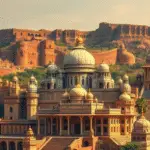
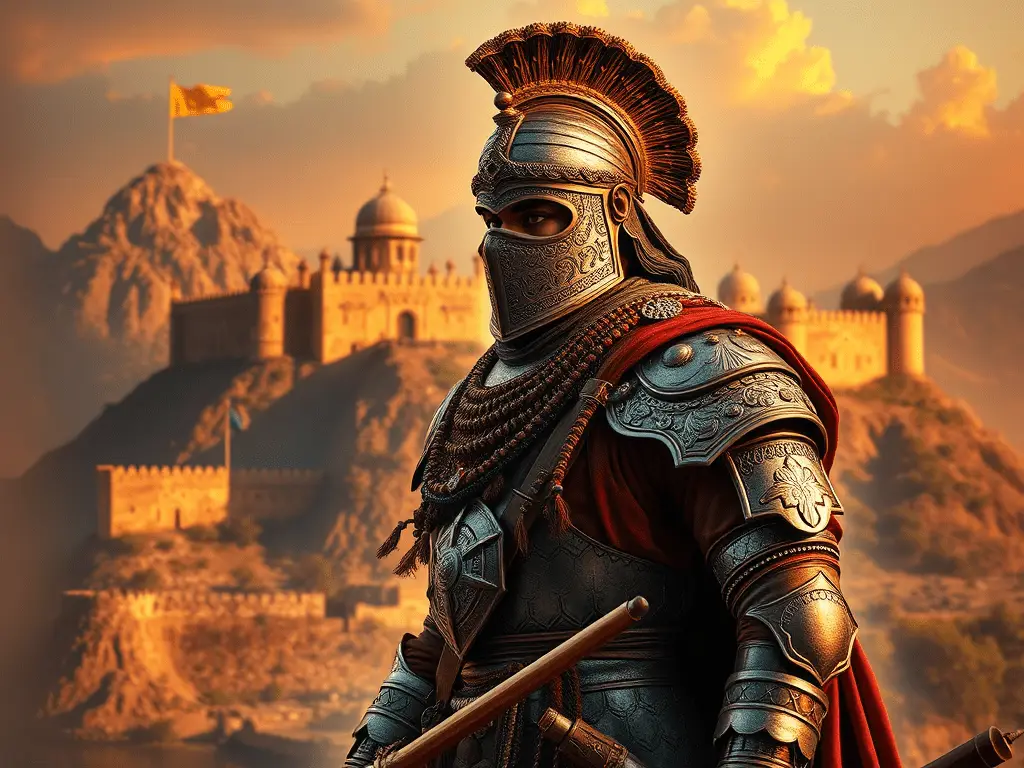
The period from 750 to 1200 CE in Indian history marks the Early Medieval Period, a phase characterized by the rise of powerful regional kingdoms and political decentralization following the collapse of large pan-Indian empires like the Guptas and Harshavardhana’s kingdom. The Rajput clans were among the dominant forces during this era. They were known for their military prowers. Cultural patronage was another hallmark of the Rajputs. They were also renowned for their resistance against invasions.
This post provides a comprehensive breakdown of the Rajput era with exam-relevant detail for UPSC and JKAS aspirants.
📌 Why This Topic Is Important for UPSC & JKAS?
- UPSC Prelims often asks questions about dynasties, architecture, battles, and cultural contributions.
- Mains GS Paper I includes Indian History topics with focus on polity, society, and art.
- JKAS Prelims & Mains emphasize regional relevance like Rajputs in North-West and central India.
- Also relevant for Art & Culture, Political Developments, and Religious Movements.
🛡️ Who Were the Rajputs?
- Origin: ‘Rajput’ comes from Rajputra meaning “son of a king”. They claimed descent from Kshatriyas of ancient times.
- Four of the Rajput clans claim to have descendant from a mythical figure that arose out of a sacrificial fire pit near Mount Abu, i.e of Agnikula origin. They are:
- Chauhans of East Rajasthan.
- Pratihara Pariharas of South Rajasthan.
- Chaluyas/Solankis of Kathiawar.
- Parmars/Pawars of Malwa.
- They emerged as a powerful force in the Northern India in AD 9th and 10th Centuries.
- Four main clans:
- Suryavanshi (Solar lineage)
- Chandravanshi (Lunar lineage)
- Agnivanshi (Fire lineage)
- Nagavanshi (Serpent lineage)
- These clans emerged mainly in Rajasthan, Gujarat, Malwa, Bundelkhand, and Ganga-Yamuna Doab.
🏰 Major Rajput Kingdoms (with Dynastic Details)
| Dynasty | Region | Key Rulers | Notable Contributions |
|---|---|---|---|
| Gurjara-Pratiharas | Rajasthan, Gujarat, MP | Bhoja I | Strong resistance to Arab invasions; patronized art |
| Palas | Bengal, Bihar | Dharmapala | Patronized Nalanda & Vikramshila universities |
| Rashtrakutas | Deccan | Govinda III, Amoghavarsha | Kailasanatha Temple at Ellora |
| Chahamanas (Chauhans) | Rajasthan, Ajmer, Delhi | Prithviraj Chauhan | Fought against Muhammad Ghori |
| Paramaras | Malwa (Ujjain) | Raja Bhoja | Literature and architecture patronage |
| Chandelas | Bundelkhand | Dhanga | Built the Khajuraho Temples |
| Gahadavalas | Kannauj | Govindachandra | Controlled eastern Ganga basin |
⚔️ The Tripartite Struggle (Kannauj Triangle)
Who?
- Gurjara-Pratiharas, Palas, and Rashtrakutas
Why?
- Control over Kannauj, a prestigious and strategic city in North India.
Impact:
- Prolonged instability weakened all three empires.
- Opened the door for Turko-Afghan invasions in the 11th–12th centuries.
🧱 Political Features of Early Medieval India
- Fragmented polity – No centralised empire.
- Feudalism – Rise of Samantas (feudatory chiefs).
- Hereditary offices – Decline of merit-based bureaucracy.
- Military aristocracy – Frequent warfare among kingdoms.
📚 Social Structure
- Society became highly stratified and rigid.
- Caste system deepened; inter-dining and inter-caste marriage discouraged.
- Status of women declined; Sati and Jauhar became widespread.
- Rise of Brahminical dominance and temple-centric religiosity.
🎨 Cultural Contributions
- Architecture
- Khajuraho temples (Chandelas): Intricate sculptures, Nagara style, build by Chandellas of Bundelkhand.
- Sun Temple at Modhera (Solankis)
- Dilwara Temples at Mount Abu (Solanki patronage), build by Siddharaja Solanki of Gujarat.
- Angkorvat Temple at Cambodia build by Suryavarman II. It is dedicated to Lord Vishnu and build on Dravidian Model, Later converted to Buddhist temple towards the end of the 12th century.
- Lingaraja Temple at Bhubaneshwar (Orissa).
- Literature
- Raja Bhoja wrote Sarasvati-Kanthabharana (on grammar).
- Sanskrit, Prakrit, Apabhramsha, and regional languages flourished.
- Kathasaritasagar by Somadeva.
- Vikramdeva Charita by Bilhana (Biography of Chalukya King Vikramdeva VI).
- Rajtrangini of Kalhana (History of Kashmir).
- Gita Govinda of Jayadeva (in Sanskrit).
- Chachanama The History of Sind.
- Religion
- Rajputs were patrons of Shaivism, Vaishnavism, Jainism, and Buddhism.
- Supported both orthodox Brahminical traditions and emerging Bhakti movements.
⚔️ Military & Warfare
- Warfare was personalized and valor-oriented.
- Rajput code of honor included:
- Jauhar (mass self-immolation by women)
- Saka (heroic death in battle)
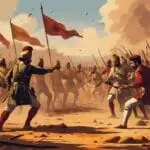
- Lack of collective defense strategies led to easy defeat by foreign invaders.
❌ Causes of Decline
- Mutual rivalry – Lack of unity among Rajput clans.
- Feudal system – Weakened central authority.
- Conservative society – Resistance to reform.
- Inferior military strategy – No adaptation to cavalry/archery tactics used by invaders.
- Invasions –
- Mahmud of Ghazni (17 invasions, 1000–1027 CE)
- Muhammad Ghori defeated Prithviraj Chauhan in Battle of Tarain (1192)
✅ UPSC/JKAS Prelims – Key Facts
- Tripartite Struggle: Palas, Pratiharas, Rashtrakutas
- Prithviraj Chauhan was defeated in 2nd Battle of Tarain (1192 CE)
- Khajuraho Temples: Built by Chandelas (UNESCO site)
- Jauhar custom is associated with Rajput women
- Raja Bhoja – scholar king of Paramaras
📝 UPSC/JKAS Mains Practice Questions
- “The Rajput polity was heroic but politically weak.” Examine.
- “Evaluate the cultural contributions of Rajput kingdoms between 750–1200 CE.”
- “Discuss the impact of feudalism on the social and political structure of early medieval India.”
📌 Previous Year Questions (PYQs)
- UPSC Mains 2018: “Assess the nature of Rajput polity and society in early medieval India.”
🧠 Quick Revision Points (One-liners)
- Rajput era = decentralized polity + cultural patronage.
- Temple architecture peaked in North India (Nagara style).
- Tripartite Struggle = prolonged instability.
- Decline = internal rivalry + invasions.
- Rajput ethos = valor, honor, sacrifice.
About The Author