

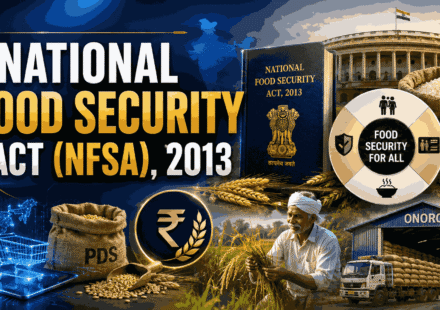
National Food Security Act (NFSA) 2013 Explained: Features, PDS, MSP, ONORC, Challenges & UPSC Notes

Master the National Food Security Act (NFSA), 2013 with comprehensive UPSC notes covering constitutional provisions, PDS, MSP, FCI, ONORC, PMGKAY, challenges, reforms, MCQs, Mains answer frameworks, essay content, and interview preparation.
Read More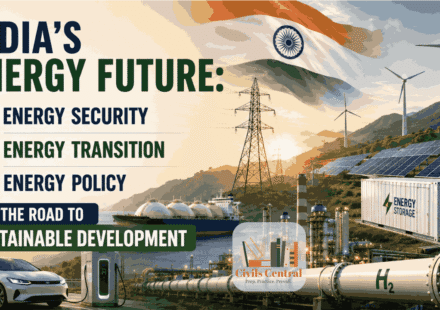
India’s Energy Future: Energy Security, Energy Transition, Energy Policy and the Road to Sustainable Development
Understand India's energy security, energy transition, renewable energy, national energy policy, challenges, and sustainable development with UPSC-ready notes, PYQs, and key facts.
Read More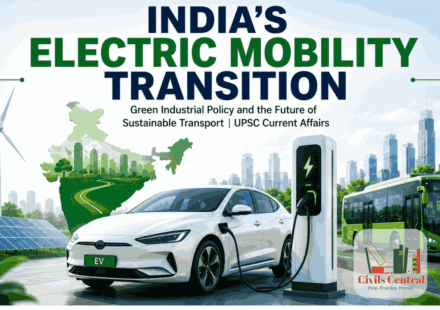
Delhi CM Launches EV Policy 2.0
Explore Delhi's EV Policy 2.0, its key features, incentives, green industrial policy, and how it advances India's electric mobility transition for UPSC current affairs.
Read More
Digital Push for Criminal Justice System
Learn about India's digital push for the criminal justice system, ICJS, CCTNS, e-Courts, digital forensics, key reforms, challenges, and UPSC current affairs relevance.
Read More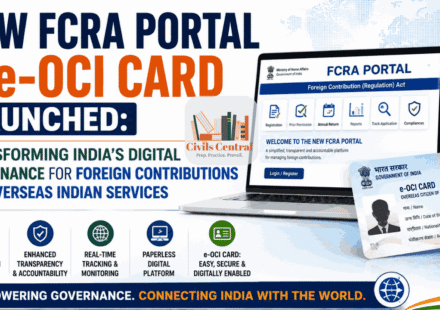
New FCRA Portal & e-OCI Card Launched: Transforming India’s Digital Governance for Foreign Contributions and Overseas Indian Services
Learn the New FCRA Portal and e-OCI Card in detail for UPSC. Understand FCRA Act, OCI, Citizenship, Digital Governance, Constitutional provisions, Prelims, Mains, PYQs and exam-oriented analysis.
Read More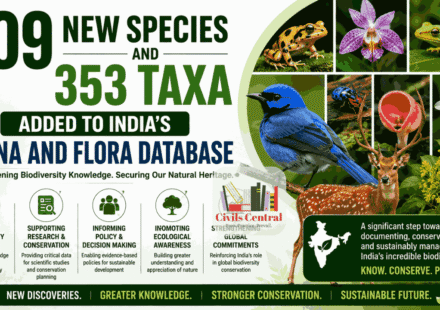
709 New Faunal Species and 353 Floral Taxa Added to India’s Fauna and Flora Database
India has recorded 709 new faunal species and 353 new floral taxa, highlighting the country's exceptional biodiversity and the importance of scientific exploration, taxonomy, and conservation. The discoveries strengthen biodiversity documentation,…
Read More
Google India Tourism MoU & UPI in Greece Explained for UPSC
The Ministry of Tourism's MoU with Google India and the launch of UPI in Greece represent two major milestones in India's digital transformation. Learn how these initiatives strengthen tourism, Digital Public Infrastructure, fintech, and India's global…
Read More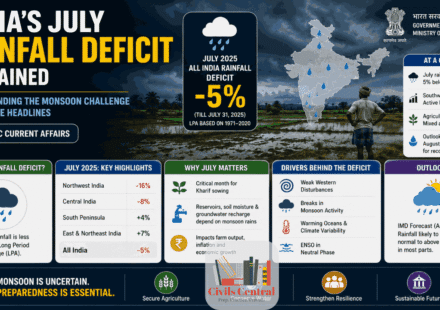
India’s July Rainfall Deficit Explained: Understanding the Monsoon
Understand India's July rainfall deficit, its causes, monsoon dynamics, IMD forecasts, impacts on agriculture, economy, water resources, and UPSC current affairs.
Read More
Right to a Lawyer in India: Constitutional Provisions, Article 22, Legal Aid, Supreme Court Judgments
Learn about the Right to a Lawyer in India under Article 22, constitutional provisions, free legal aid, landmark Supreme Court judgments, and UPSC relevance.
Read More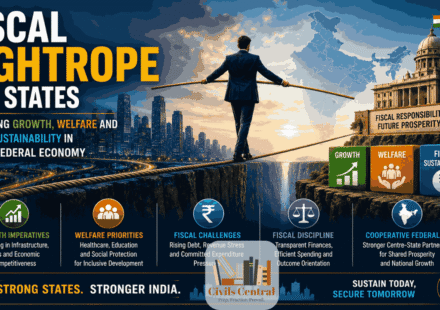
Fiscal Tightrope for States: Balancing Growth, Welfare and Fiscal Sustainability in India’s Federal Economy
Fiscal Tightrope: Understand the fiscal challenges faced by Indian states, balancing economic growth, welfare spending, debt sustainability, and fiscal discipline in India's federal system for UPSC preparation.
Read More