
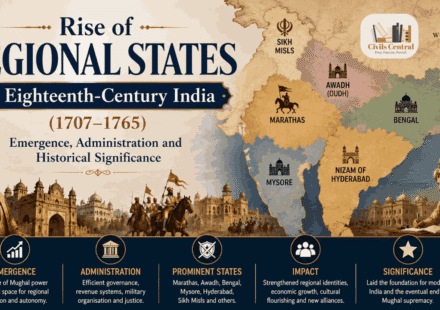
Rise of Regional States in Eighteenth-Century India (1707–1765): Emergence, Administration and Historical Significance

Explore the Rise of Regional States in Eighteenth-Century India (1707–1765) and understand how the decline of the Mughal Empire led to the emergence of powerful regional kingdoms such as Bengal, Awadh, Hyderabad, Mysore, the Marathas, Sikhs, and Jats.…
Read More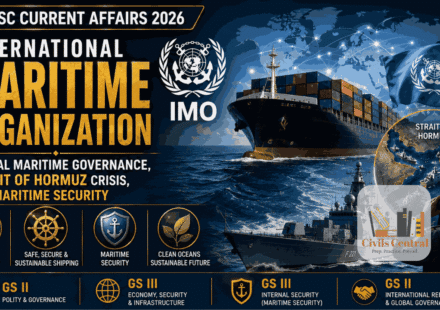
International Maritime Organization (IMO): Global Maritime Governance, Strait of Hormuz Crisis, and Maritime Security
The International Maritime Organization (IMO), the United Nations' specialized agency responsible for regulating international shipping, temporarily suspended its direct role in coordinating the evacuation of commercial vessels stranded in the Persian…
Read More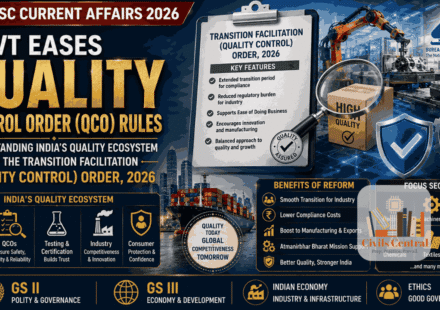
Govt Eases Quality Control Orders (QCO) Rules: Understanding India’s Quality Ecosystem and the Transition Facilitation (Quality Control) Order, 2026
Quality Control Orders (QCOs) have become a key policy tool to enhance product quality, protect consumers, curb substandard imports, and boost exports.
Read More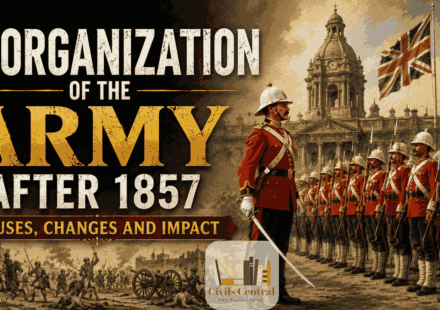
Reorganization of the Army after 1857: Causes, Changes and Impact
The Revolt of 1857 marked a turning point in the history of British rule in India. One of its most significant consequences was the complete restructuring of the Army, as the British realized that the existing military organization under the East India…
Read More
Government of India Act, 1858: Features, Objectives, Impact and Historical Significance
The Government of India Act, 1858 was a landmark legislation passed by the British Parliament that fundamentally transformed the system of governance in India. Enacted in the aftermath of the Revolt of 1857, the Act abolished the rule of the East India…
Read More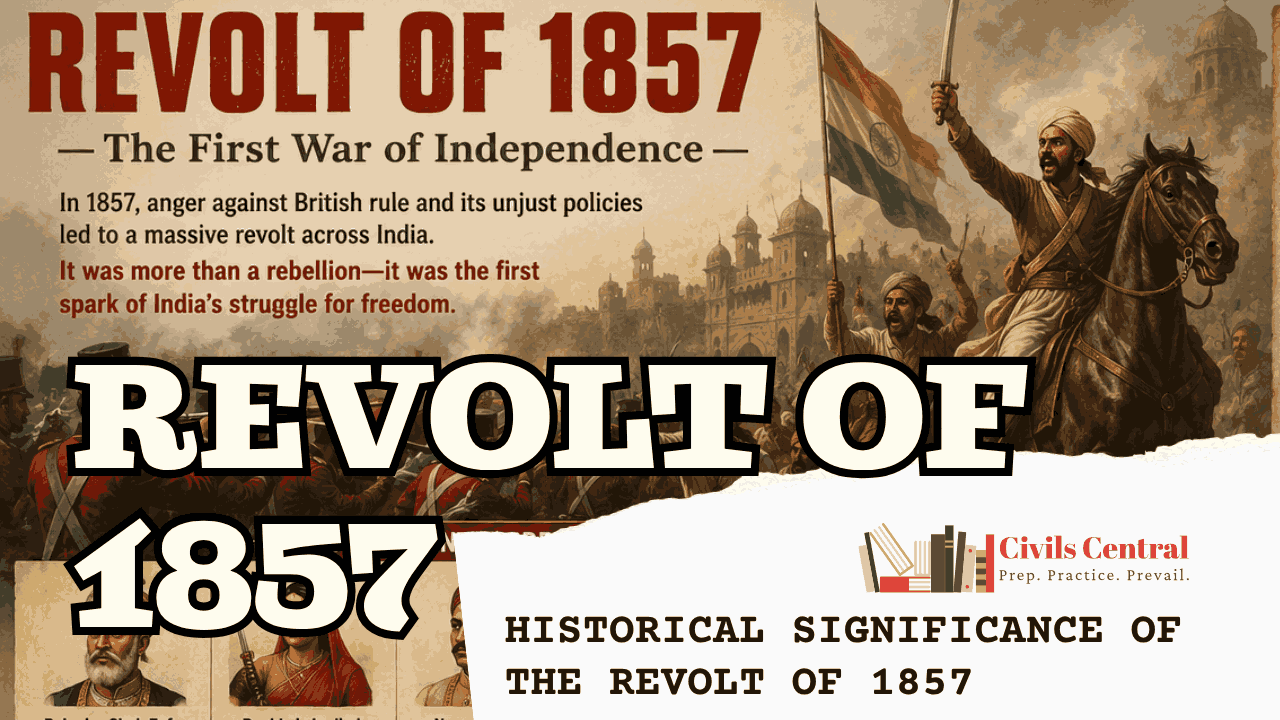
Historical Significance of the Revolt of 1857: Was it a Sepoy Mutiny, a Popular Revolt, or the First War of Independence?
Introduction The Revolt of 1857 occupies a unique and controversial place in Indian history. While its causes, events, and consequences have been extensively studied, historians continue to debate its true nature and historical significance. Was it…
Read More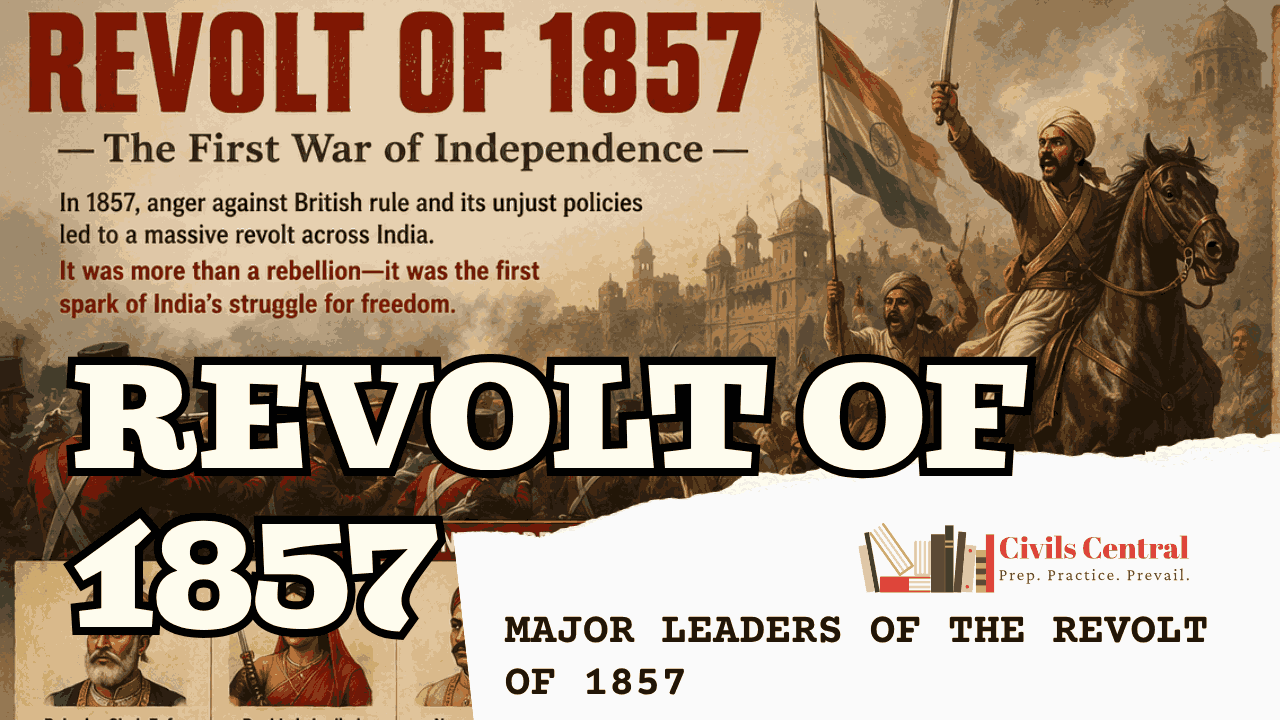
Major Leaders of the Revolt of 1857: Contributions, Role and Legacy
Introduction The Revolt of 1857 was one of the most significant turning points in the history of British rule in India. Often described as the First War of Indian Independence, it represented the first large-scale and coordinated challenge to the…
Read More
Charter Act of 1853: Features, Significance, Impact on British Administration | UPSC/JKAS
Introduction The Charter Act of 1853 was one of the most important constitutional developments during British rule in India. Passed by the British Parliament, the Act introduced major administrative and legislative reforms in the governance of India…
Read More
Charter Act of 1833: Features, Significance, Impact on British Administration (UPSC/JKAS)
Introduction The Charter Act of 1833 was one of the most significant constitutional measures passed by the British Parliament to reorganize the administration of British India under the rule of the British East India Company. Enacted during the reign of…
Read More
Charter Act of 1813: Features, Significance & Impact on British Administration
Introduction The East India Company played a crucial role in establishing British rule in India during the 18th and early 19th centuries. However, by the early 1800s, increasing criticism in Britain regarding the Company’s commercial monopoly and…
Read More